Planned Giving

Create a Legacy of Lasting Impact

When you name Greater Good Charities in your will or estate plan, you give your compassion a second act — one that keeps protecting people, animals, and the environment long after you've told your last story in person. A legacy gift asks nothing of you today, and it may be one of the most consequential gifts you ever make.

It's one of the simplest ways to leave a lasting mark on the causes you've spent a lifetime caring about. It costs nothing today, and it ensures our work — protecting people after disaster, animals in need of rescue, and the wild places worth saving — continues well beyond any one gift, any one year, any one lifetime. Your name becomes part of the story we get to keep telling.

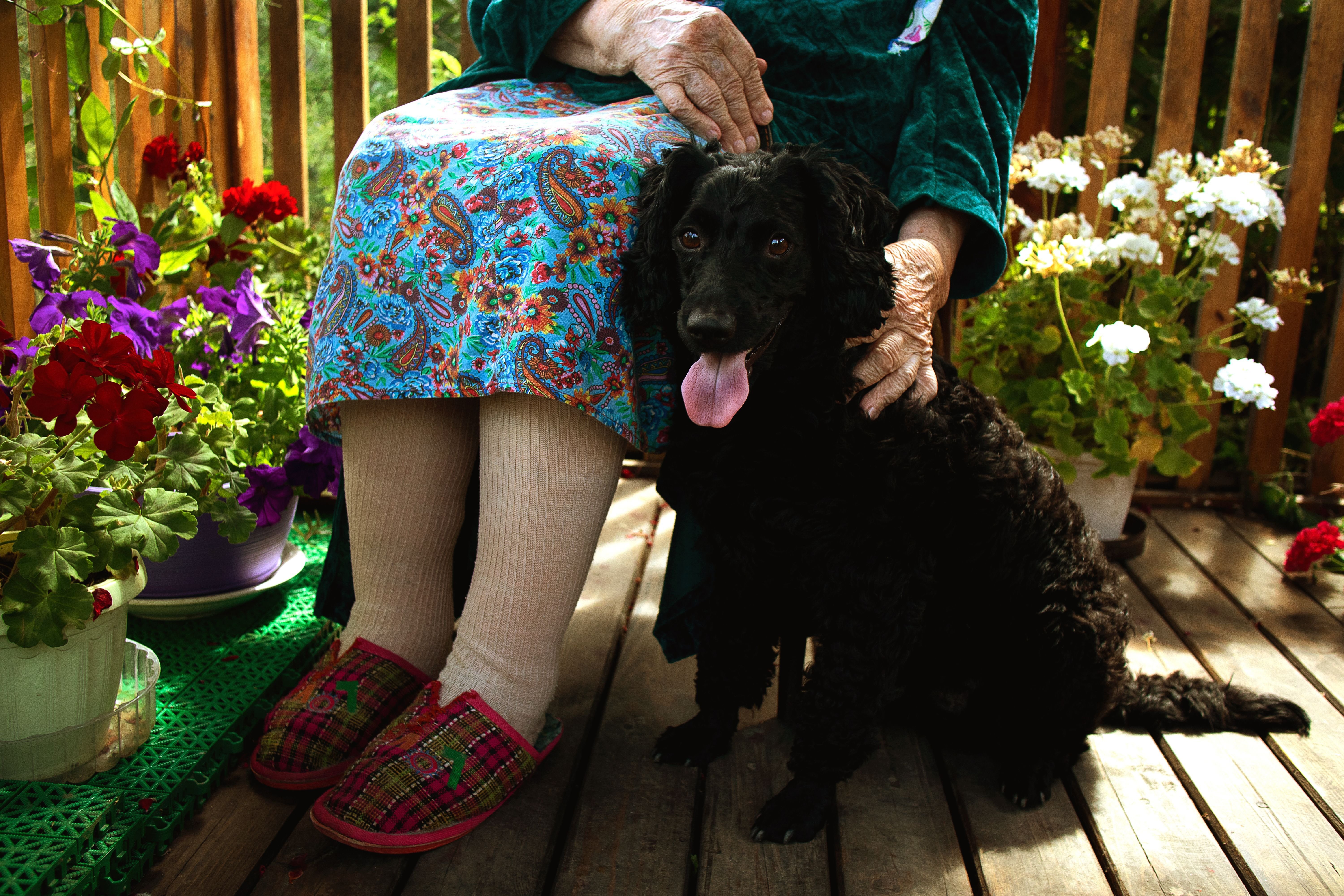
An older woman in a floral dress rests her hand on a black dog beside her on a flower-filled porch.

Words from a Legacy Giver

"I've loved animals for as long as I can remember... Dogs got me through my childhood, and animals have never stopped needing someone in their corner.

I can't give to every charity that reaches me — no one could — but I trust Greater Good Charities to put whatever I give where it's needed most. That's why they're part of my plans for what comes after I'm gone. It's my legacy to the animals who never got to choose.”

- Dee from Chicago, IL

A smiling woman at a Stand Down event for veterans in Miami Gardens, Florida.

Getting Started—5 Simple Steps

  1. Think about what you'd like your gift to support — our work broadly, or a specific program close to your heart.
  2. Talk with an attorney who regularly prepares wills, trusts, or other estate documents.
  3. Reach out to Debra Parsons, Director of Major Gifts (DebraParsons@greatergood.org) — she can help make sure your gift will be directed exactly as you intend.
  4. Ask Debra for sample bequest language to share directly with your attorney.
  5. When you're ready, share the relevant provision from your will or trust with us. It's kept confidential, and you're welcome to remain anonymous.

Evening light over a tidal marsh on Puget Sound.

If you are working with an attorney or estate planning professional, the following information can be included in your bequest or beneficiary documents to designate a gift to Greater Good Charities:

Legal Name: Greater Good Charities
Tax ID Number: 20-4846675

Legal Address: Attn: Accounting, 301 Union Street #21308, Seattle, WA 98111 US

Mailing Address: Attn: Accounting, PMB 138, 1700 7th Ave., Suite 116, Seattle, WA 98101

FAQ

If you want a say in what happens to your property, yes — a will or trust is what makes that possible. It also lets you name someone to administer your estate, or serve as guardian for minor children. Without one, state law decides who receives your property, with no room for gifts to the people or causes you care about.

A gift in your will can take many shapes: a specific amount or asset, a share of what's left after other gifts, restricted to a particular purpose or left unrestricted, structured to provide for family first, or simply revocable — changeable by you at any time.

We'd recommend working with an attorney to put your wishes into a legal document that reflects exactly what you intend, including any charitable bequests. We're glad to provide sample bequest language to make that conversation easier — just ask.

However you direct us to. Many donors choose to establish a named endowment — a permanent fund that provides ongoing annual support for something specific, whether that's a program, staffing, or facility improvements. Others prefer their gift be used right away, for whatever the need is at the time.

Possibly. Unlike gifts made during your lifetime, a bequest doesn't come with a current income tax deduction — but if your estate is subject to estate tax, a gift to Greater Good Charities can reduce that liability. Naming us as a beneficiary of a retirement plan or IRA can also carry income tax advantages. As always, your financial planner or attorney is the best guide for your specific situation.