veterinary services
veterinary services
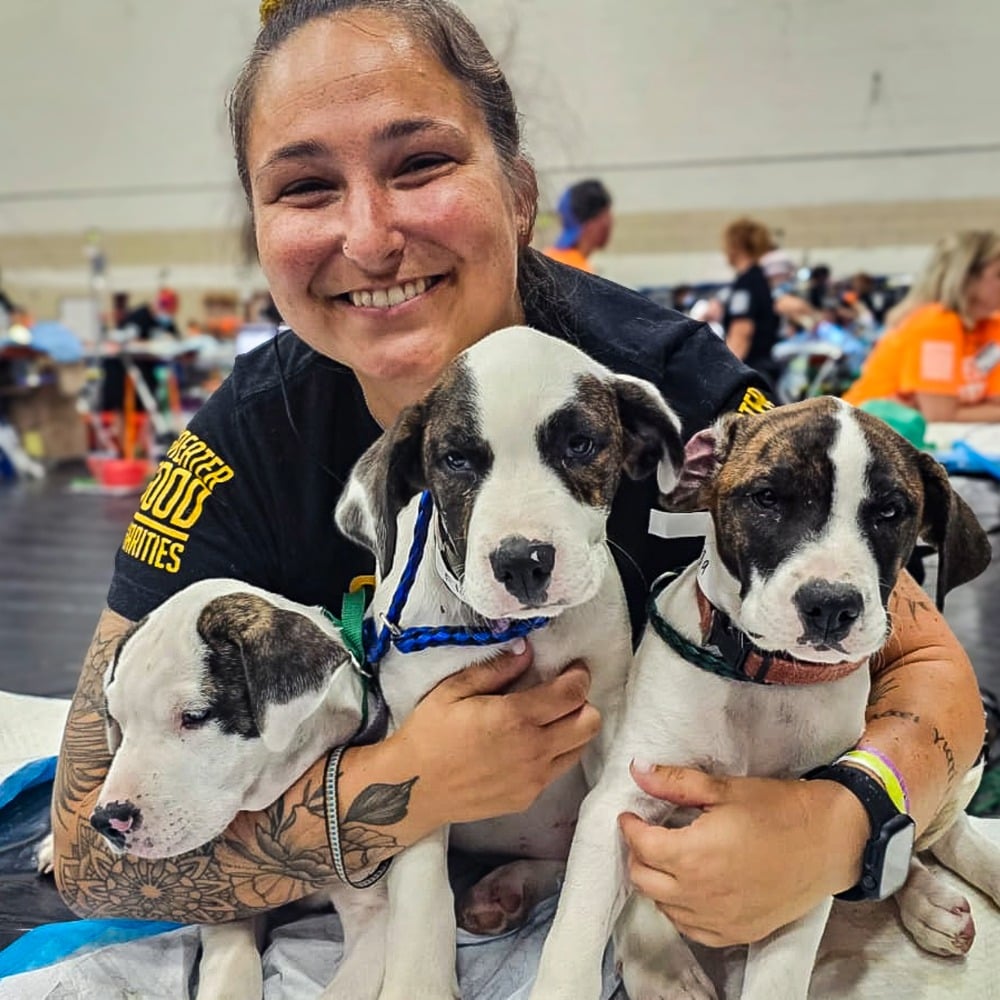
About one-third of Americans live in veterinary care deserts. In these places, cost or distance puts a basic vet visit out of reach, and many animals have never seen a veterinarian.
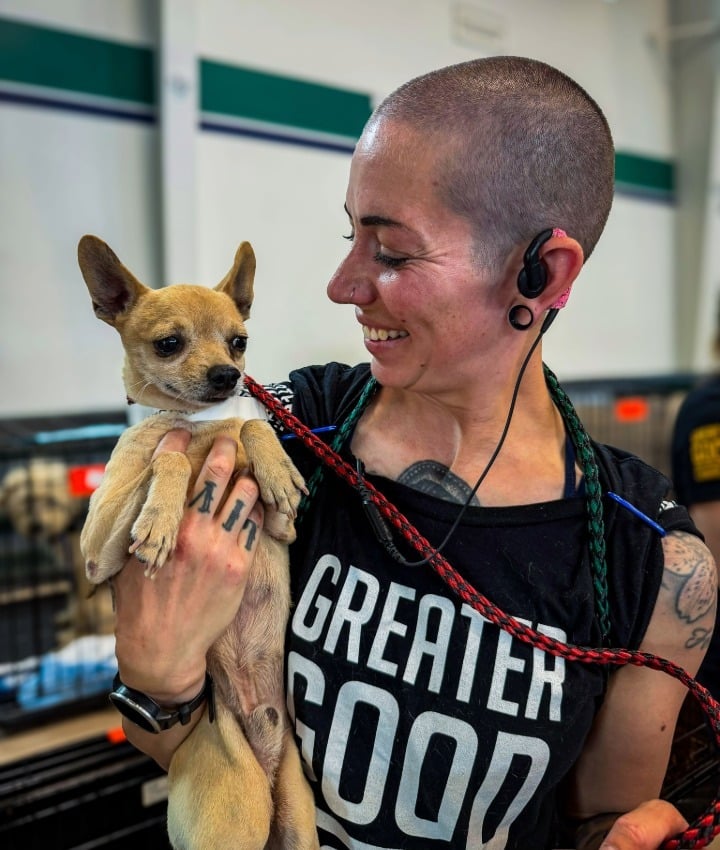
Greater Good Charities sends expert mobile surgical teams straight into underserved communities. Our specially trained veterinary professionals provide high-quality, high-volume spay/neuter surgeries at no cost, held to the highest medical standards. One clinic can perform more than 300 surgeries a day. In four days, we can do what might take local providers six months to a year.
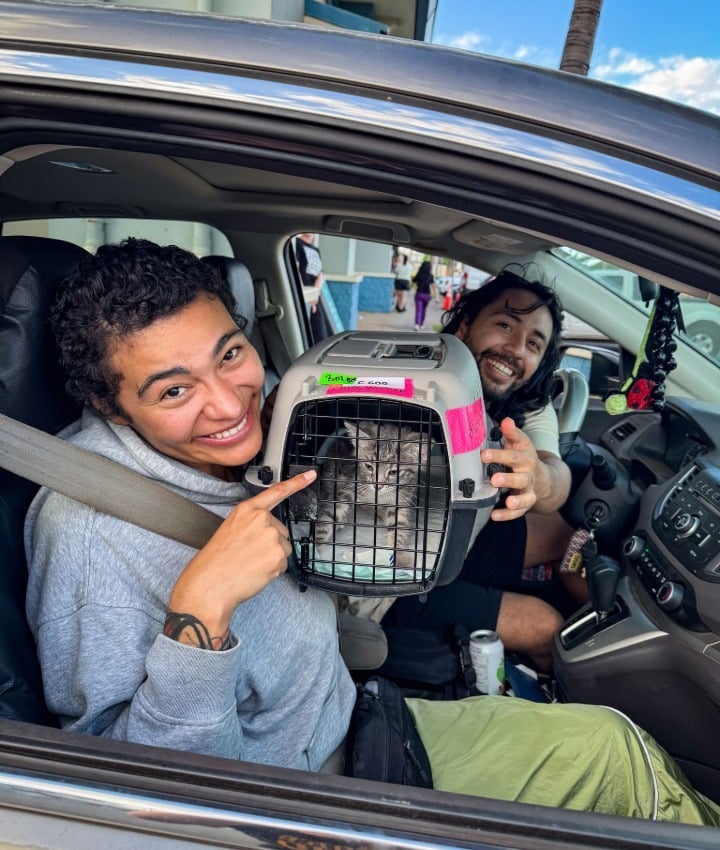
When people can’t get veterinary care, animal welfare suffers, and so do public health and community stability. Without spay/neuter services, overpopulation fills local shelters past capacity. That raises the risk of disease outbreaks and pulls shelter resources toward crisis care instead of adoptions, facility improvements, and long-term community programs. In high-stress settings like refugee camps, unsterilized animal populations can lead to more bites, sanitation problems, and diseases such as rabies, which puts families at risk.
- We increase local shelter capacity. We complete months of surgeries in just a few days. That frees shelters to put their limited resources toward programs for animals and people, and to plan for long-term sustainability.
- We put One Health into practice. Vaccinations and medical care for animals lower public health risks and help build safer, healthier communities.
- We manage pet overpopulation humanely. We believe surgical sterilization is the most effective and humane way to control animal populations.
- We bring normalcy to families in crisis. Pets are loved members of the family. In refugee camps and disaster zones, a healthy pet can be a source of comfort and stability.
In addition to Kauai, Good Fix is working on native lands to control community dog and cat populations, starting with the Rosebud Sioux Tribe Reservation.
When our Rescue Rebuild program helped remodel the Helping Animal Center at the Rosebud reservation to provide wellness services for reservation resident pets, on-site spay and neuter assistance was a pressing need.
By providing free spay and neuter services for dogs and cats in partnership with Sovereign Nations Veterinary, Good Fix now performs free, high-volume spay/neuter clinics at the center which allows the center to allocate its scarce resources towards the establishment of other veterinary services.
Stay tuned for more Good Fix clinic announcements!
How We Work
Our mobile clinics go beyond surgery. Every animal we treat can receive:
- Spay/neuter surgery: high-quality and high-volume, at no cost to families
- Essential vaccinations: to protect pets and the people around them
- Microchipping: to help lost pets get home
- Flea and tick prevention: to keep pets healthy between vet visits
- Medical grants: to treat injuries and illnesses with a good prognosis
.jpeg "landing page images-2-Veterinary-Services-Main (1)")
Wherever the need is greatest
We go wherever the need is greatest: isolated farming communities in Washington, remote Alaskan islands, war-torn regions of Ukraine, and cities where demand outpaces local veterinary capacity. We believe the well-being of people, animals, and the environment are linked. When we show up for one, we help protect them all.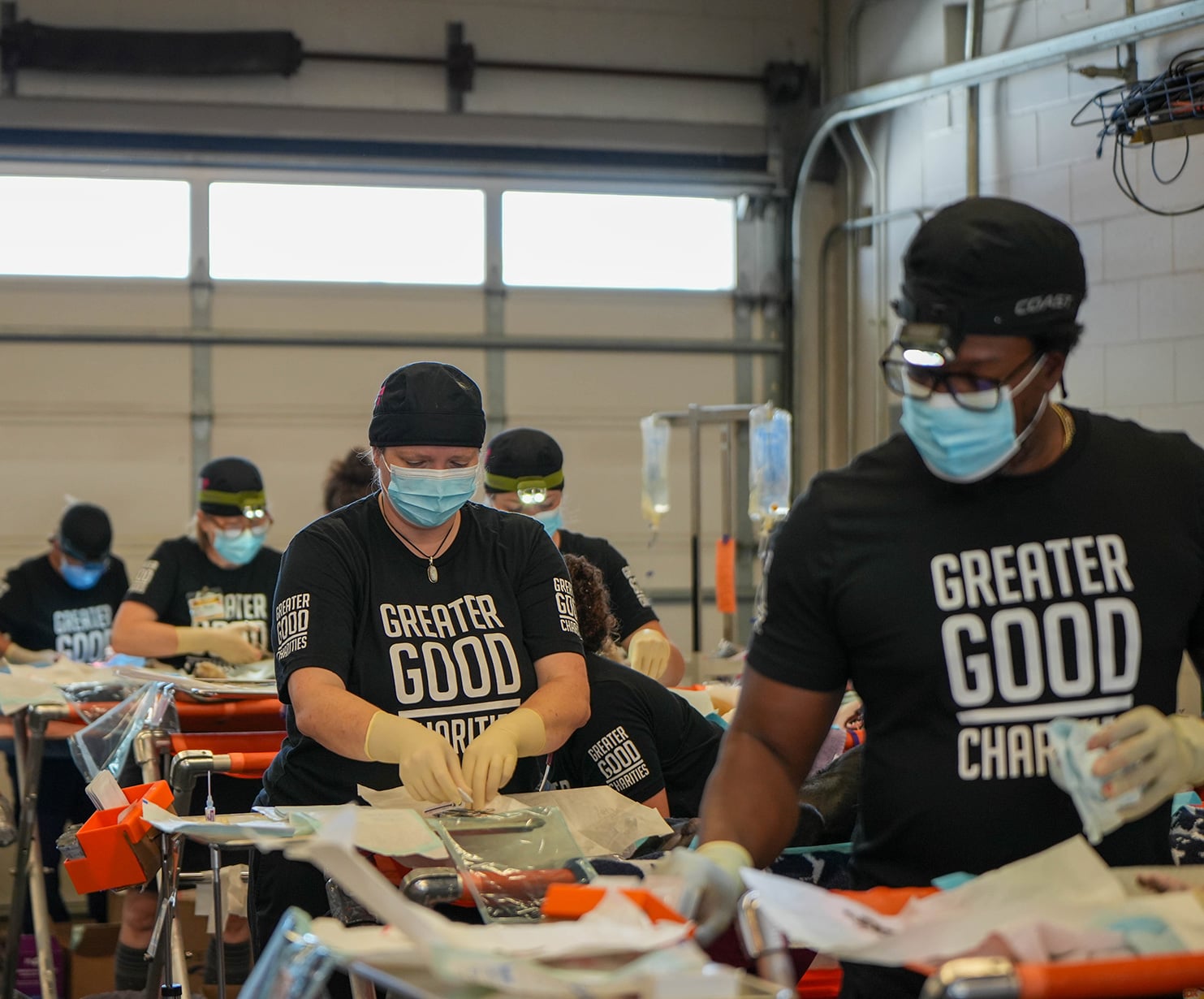
Amplifying the good on the ground
We work closely with local animal welfare organizations to teach communities about the benefits of spay/neuter. We also train local volunteers to support clinics and animal welfare work, which builds a network of educated advocates who keep serving their communities after a clinic ends. Because our services are free, local partners can save their limited resources for long-term needs.
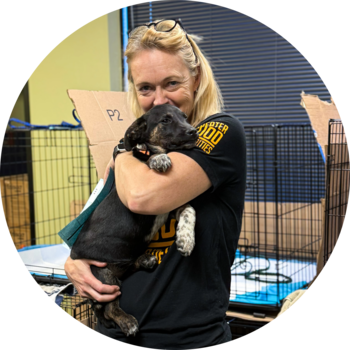
From the moment I drove up to drop off, to picking up the kittens was such a positive and easy process. Everyone was kind, loving, and easy to work with.
So much more provided than I ever dreamt of. We were just blown away.
When I arrived home and told my husband about all the good that was done, he said, 'now that is a charity I can get behind!!'
-Clinic Participant
Dr. Ruth Parkin, our Executive Vice President of Veterinary Medicine, explains how Greater Good Charities' High Volume/High Quality Spay/Neuter Clinics help reduce pet overpopulation and suffering.
Veterinary Services is only possible thanks to donors like you and our generous partners and sponsors.
HQHVSN is defined as “high-quality, high-volume, spay/neuter”. It is safe (high-quality) and effective (high-volume). Our veterinary services team uses the highest standards of safety, medical care, and professionalism, including: 1) Expert HQHVSN veterinary surgical teams 2) High-quality veterinary equipment to maximize efficiency and safety for patients and staff. 3) Best practices via the Association of Shelter Veterinarians (ASV) spay/neuter guidelines for surgical procedures, including sterilization ID via tattoo and/or ear tips.
We take a holistic approach by meeting with and listening to local communities, conducting a survey to identify areas with the greatest potential for success, and then putting a plan in motion. Our aim is to make an effective long-term plan for each community we help that is as agreeable as possible to everyone on the ground at the public, city, county, and state levels.
Each community’s needs are different, so our approach includes a full examination of the local needs, including conducting surveys, interviews, and meetings with local community leaders, and other tactics to gauge the appropriate crew size and target number. Multiple rounds of HQHVSN clinics are conducted to maximize effectiveness and impact. Our full-scale teams have the capacity to perform up to 800 surgeries per day, but often smaller teams can make a bigger impact.
Many communities do not have the resources to perform the type of HQHVSN needed to effectively and humanely control unwanted animal populations. Unfortunately, in some areas, unwanted community pets are exterminated—we believe this inhumane treatment of animals is unacceptable, and HQHVSN is the humane answer.
We believe high-quality, high-volume (HQHV) sterilization combined with working with local trapping teams is the most effective means of dog/cat population control. Many communities do not have the resources to perform the type of HQHVSN needed to effectively and humanely control unwanted animal populations. Our clinics enable communities with limited access to veterinary services to have the opportunity for safe sterilization for community and owned pets.
We deploy specially trained, high-quality, high-volume spay/neuter (HQHVSN) surgical teams and work with local trapping teams to help control pet overpopulation in communities that need it most by reducing the human-animal conflict and the burden on animal shelters to euthanize unwanted pets. We work at the request of local organizations to target the animals most in need. In this manner, we do not operate on an individual appointment basis. We strongly encourage you to seek support through your local animal welfare organization(s) or veterinary clinic(s) that provide spay/neuter surgical services. This information should be readily available through a simple internet search.
If you are a non-profit organization looking to partner with Greater Good Charities or our Veterinary Services team please complete this assessment survey below.
Read More About our Impact
GOODS Program provides grants to the animal rescue community in the form of donated pet food, delivered through our network of regional affiliates. We pay to ship the products directly from the donor to the affiliate’s warehouse. Affiliates then distribute these grants to pre-qualified recipients based on demonstrated need and verified census.
Pet food grants allow rescue organizations to transfer part of their food budget to much-needed services such as spay/neuter, vet services, facility maintenance or improvement, adoption events, etc.
Please select the appropriate application below to be considered for a pet food grant.

An “Eligible Rescue” rescues and provides shelter and care for animals that have been abused, injured, abandoned or are otherwise in need.
An “Eligible Rescue” shall meet the following criteria:
-
501(c) 3 status described in Section 170(b)(1)(A)(vi), Internal Revenue Code 1986, and its subsequent amendments
-
No breeding of animals occurs
-
All animals shall be housed in a clean, comfortable, safe, species-appropriate, stimulating and enriching environment
-
Spay or neuter all animals prior to adoption
-
Must demonstrate a respect for quality of life and provide the most humane death possible for animals who are suffering or otherwise not suitable for adoption
-
Has a sufficient number of qualified employees/ volunteers to provide the appropriate level of care for the animals
-
Must have a comprehensive and effective adoption program
-
Must have a means to independently verify the number of pets available for adoption (e.g., Petfinder page, adoption website), so that equitable distribution of food can be determined
-
Must demonstrate need (e.g., limited financial resources) and fiscal responsibility
-
Must demonstrate a positive contribution to the community’s animal welfare resource, including positive relationships with peers
An “Eligible Animal Shelter” rescues and provides shelter and care for animals that have been abused, injured, abandoned or are otherwise in need.
An “Eligible Animal Shelter” shall meet the following criteria:
- 501(c) 3 status described in Section 170(b)(1)(A)(vi), Internal Revenue Code 1986, and its subsequent amendments
- No breeding of animals occurs
- All animals shall be housed in a clean, comfortable, safe, species appropriate, stimulating and enriching environment
- Spay or neuter all animals prior to adoption
- Must demonstrate a respect for quality of life and provide the most humane death possible for animals who are suffering or otherwise not suitable for adoption
- Has a sufficient number of qualified employees/ volunteers to provide the appropriate level of care for the animals
- Must have a comprehensive and effective adoption program
- Must have a means to independently verify the number of pets available for adoption (e.g., Petfinder page, adoption website), so that equitable distribution of food can be determined.
-
Must demonstrate need (e.g., limited financial resources) and fiscal responsibility
-
Must demonstrate a positive contribution to the community’s animal welfare resource, including positive relationships with peers
An “Eligible Feral Cat Related Organization” is committed to improving the lives of feral and homeless cats.
An “Eligible Feral Cat Related Organization” shall meet the following criteria:
-
501(c) 3 status described in Section 170(b)(1)(A)(vi), Internal Revenue Code 1986, and its subsequent amendments
-
Actively participates in a “TNRF” Trap-Neuter-Return-Feed program as a long-term solution in controlling feral cat populations.
-
Educates the public about the plight of stray and feral cats and the need to spay/neuter pets
-
Must demonstrate need (e.g., limited financial resources) and fiscal responsibility
-
Must demonstrate a positive contribution to the community’s animal welfare resource, including positive relationships with peers
Working with Greater Good Charities, Rescue Bank provides assistance in disaster and emergency situations. The very nature of an emergency makes setting strict criteria difficult. Each event will be evaluated by Greater Good Charities, Rescue Bank, our donors, and the nearest affiliate organization. We may temporarily suspend some of our recipient criteria to provide emergency relief. However, a group’s ability to work collaboratively will remain as a key qualification. We provide pet food and supplies in the following situations:
-
Local, regional, and nationally-declared natural or man-made disasters (e.g. hurricanes, floods, fires)
-
Multiple-animal rescues such as law enforcement actions
An “Eligible Pet Food Bank” is a community based organization serving as a resource for local individuals and families struggling to provide care for their pets. These are typically food banks, pantries or social service agencies with multiple assistance programs (e.g., rent assistance, elder care, animals on wheels).
An “Eligible Pet Food Bank” shall meet the following criteria:
- 501(c) 3 status described in Section 170(b)(1)(A)(vi), Internal Revenue Code 1986, and its subsequent amendments
- Must demonstrate fiscal responsibility and has successfully completed their most recent audit or independent review
- Has publicized screening and reporting capabilities that meet a generally-recognized standard for providing welfare assistance, such as State and Federal guidelines or Feeding America recommendations.
- And recipients...
- Agree that pets are for companionship and not for breeding or illegal activities
- Agree to maintain pets in a healthy condition
- Agree to not sell or return product
- Verifies recipients’ pets are spayed or neutered and provides spay or neuter education or information to those recipients whose pets are unaltered
- Has a sufficient number of qualified employees/ volunteers to provide the appropriate level of tracking and verifying need of applicants/recipients
- Must have an active website with information regarding the pet food program and instructions on how to apply
- Must have a means to independently verify “proof of need” whether it be through various means such as income, social security, etcetera
- Must demonstrate a positive contribution to the community’s animal welfare resource, including positive relationships with peers
- Must have appropriate storage facility or warehouse that meets reasonable standards established by our donors, By way of example, please review our Warehouse Inspection Report.
An “Eligible Dog / Cat Sanctuary” rescues and provides shelter and care for animals that have been abused, injured, abandoned or are otherwise in need.
An “Eligible Dog / Cat Sanctuary” shall meet the following criteria:
-
501(c) 3 status described in Section 170(b)(1)(A)(vi), Internal Revenue Code 1986, and its subsequent amendments
-
No breeding of animals occurs, must spay or neuter all animals residing in sanctuary
-
Veterinary care is provided as appropriate
-
All animals shall be housed in a clean, comfortable, safe, species-appropriate, stimulating and enriching environment
-
Must demonstrate a respect for quality of life and provide the most humane death possible for animals who are suffering
-
Has a sufficient number of qualified employees/ volunteers to provide the appropriate level of care for the animals
-
Must have a comprehensive and effective adoption program for animals who are “adoptable”
-
Must agree to periodic site visits to verify the number and condition of pets in their care.
-
Must demonstrate need (e.g., limited financial resources) and fiscal responsibility
-
Must demonstrate a positive contribution to the community’s animal welfare resource, including positive relationships with peers
Rescue Bank expanded! In 2017, we began a program called Supplies for Shelters. This program allows us to provide grants of various supplies such as veterinary products, enrichment toys, beds, blankets, and more. We are still committed to helping smaller, less visible animal welfare organizations. However, this program also includes larger organizations and municipal shelters.
Minimum requirements to apply:
-All animals shall be housed in a clean, comfortable, safe, species appropriate, stimulating and enriching environment.
-Spay or neuter all animals before adoption.
-Must demonstrate a respect for quality of life and provide the most humane death possible for animals who are suffering or otherwise not suitable for adoption.
-Have a sufficient number of qualified employees/volunteers to provide the appropriate level of care for the animals.
-Must have a comprehensive and effective adoption program.
-Must demonstrate a positive contribution to the community’s animal welfare resource, including positive relationships with peers.
If you would like to apply for a Supplies for Shelters grant, please fill out the form below. We will be in touch if your application is approved.
Make sure to check out our FAQ page for more information. If you still have questions, please email info@rescuebank.org.
Vet Technicians and Assistants:
- Assist with physical exams, premedication and induction of anesthesia, surgical preparation, anesthesia monitoring, administering vaccinations, pack & prep of instruments, assisting with recovery, and assisting the surgeons as needed.
- Must be able and comfortable lifting up to 50lbs
- Helpful technical skills: placing intravenous catheters, administering medications, intubation, surgical prep, and anesthesia monitoring,
Veterinarians:
- Perform HQHV canine and feline spay/neuter surgeries (40-80 per day)
- Perform physical examinations or assist in recovery of patients based on areas in need during the clinic.
- Assist with intake/discharge of public and trapped animals.
- Direct communication with clients
- Data Entry
- Sort, organize, and maintain all paper records.
Helpful skills: familiarity with Google Docs, Google Sheets, and attention to detail.
.jpeg "landing page images-2-Veterinary-Services-Main (3)")
Spanish speakers are occasionally needed on clinics, depending on location. Spanish speaking volunteers who can effectively communicate will be utilized for: owner communication & translation, and education efforts in addition to medical duties.
Local and/or out-of-area volunteers are always welcome to volunteer – even if they are not veterinary medical professionals. Duties can include supervised assistance with patient recovery, patient intake and discharge, community outreach, and other activities based on your level of knowledge and experience.
All volunteers will be utilized in areas where their skills will provide the most benefit for the success of the clinic. The clinic days can be long and strenuous. Please recognize that our goal is efficiency and safety for patients, volunteers, crew and all participants involved.
Veterinary Services HQHVSN is led by
Dr. Ruth Parkin, who has been successfully executing high-quality,
high-volume spay/neuter (HQHVSN) since 2002. The surgical teams used
by Greater Good Charities are powered by the ViDAS volunteer network, which has worked with
Dr. Parkin since 2002 on HQHVSN projects.
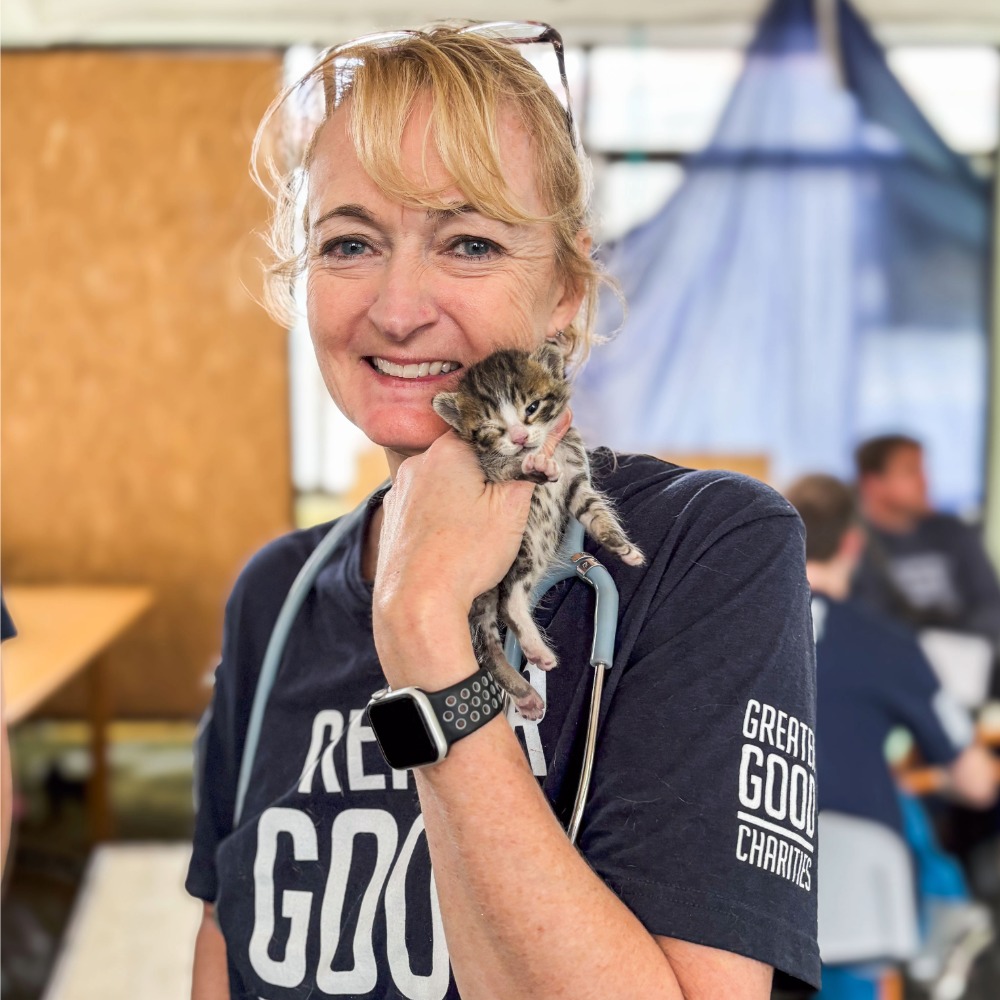
Dr. Ruth Parkin grew up on a small family farm in the US Pacific Northwest and attended University of Washington in Seattle for her undergraduate degree in economics. She attended veterinary school at Colorado State University, where, as a second-year veterinary student she co-founded ViDAS, an organization which travels internationally to hold free high-volume, high-quality spay/neuter services in underprivileged areas. ViDAS has performed over 40,000 sterilizations and is now a part of the Greater Good Charities programs.
Professionally, Dr. Parkin was in clinical practice for over 10 years and was medical director of a clinic in Denver for several years. She has also worked as a relief veterinarian and spay/neuter surgeon in Colorado and in the Portland, OR area and has traveled to Thailand and South Africa to teach veterinary science through a study abroad program. She is currently the Veterinary Medical Director at Greater Good Charities and of the Good Fix program currently kicking off in Kauai. Dr. Parkin's personal interests include playing volleyball, travel, outdoors, and relaxing anywhere there is some sunshine and a baseball game to watch.
Dr. Margaret Wixson earned her doctorate in veterinary medicine from UC Davis in 2014 and worked as a shelter veterinarian for 10 years.
Dr. Wixson volunteered her time as spay/neuter surgeon for ViDAS and Greater Good Charities clinics for several years before joining the team full-time. Dr. Wixson understands how lack of access to community veterinary care contributes to the challenges faced by animal shelters. By taking spay/neuter and basic veterinary care to underserved communities, we can ease the burden on overwhelmed shelter systems, promote the human-animal bond, and support healthier communities.
Dr. Wixson lives in Portland, Oregon, and enjoys exploring the beautiful Pacific Northwest by foot, ski, bike, and kayak, with her husband, Julian, and their dog, Schnapps.
-1.jpeg "landing page images-2-Veterinary-Services-Main (1)-1")
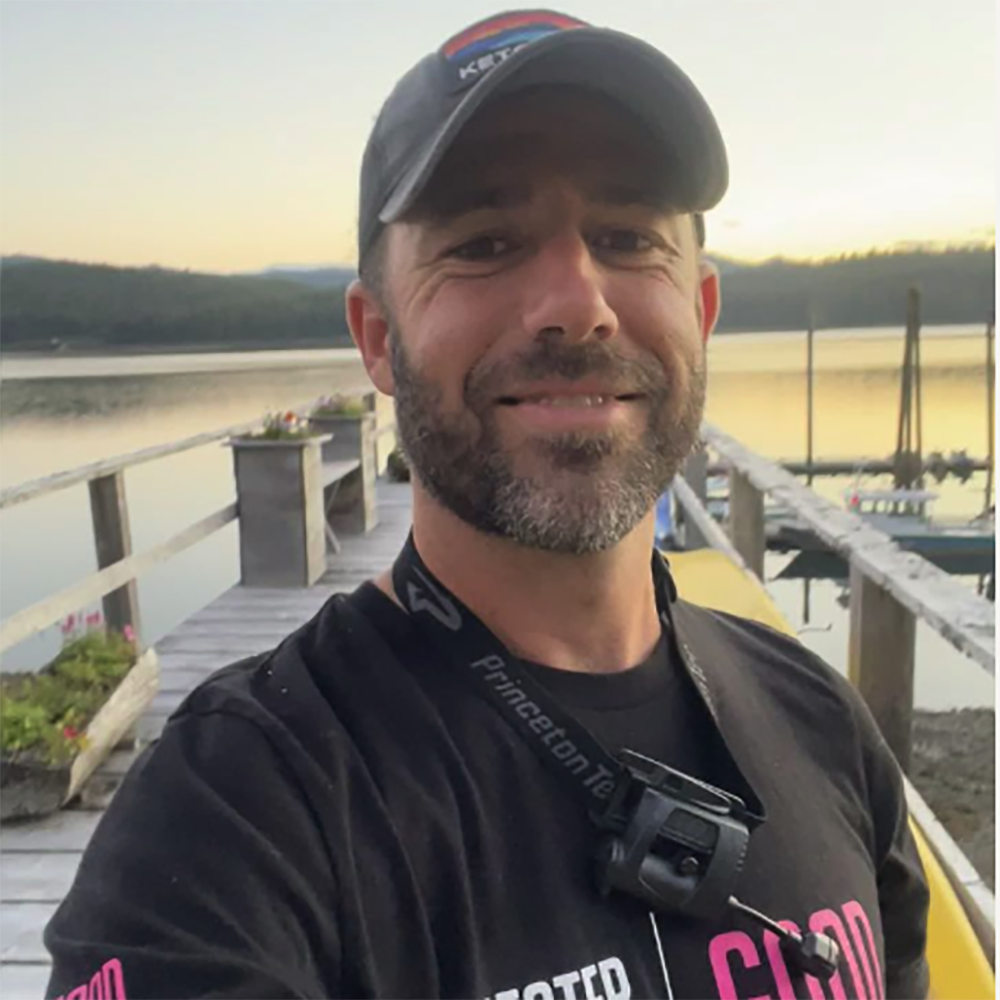
John Peaveler is an animal welfare professional with over 17 years of global experience, in the field of stray animal management, animal population management, disaster response, and animal handling and capture. He began his career in 2004 rescuing dogs and building an animal shelter and wildlife sanctuary in Kuwait along with his wife, Ayeshah Al-Humaidhi, which they ran together for 11 years. He has extensive experience in international and US disaster and cruelty response as well as free-roaming population management programs. John has also taught animal handling and capture training around the world, with a goal of helping handlers stay humane in all environments. John serves as the Vice President, Field Operations, overseeing and supporting a range of Great Good Charities programs.
-1.jpeg "landing page images-2-Veterinary-Services-Main (2)-1")
Morgan was born and raised in Oklahoma and has been involved in animal welfare for the past 9 years. She began volunteering for ViDAS in 2017, where she fell in love with high quality/high volume (HQHV) spay and neuter. This experience led her to a role as the Executive Director at a large shelter in her home state, where she developed and implemented an HQHV spay neuter program, managed animal transport flights, and assisted in multiple cruelty cases.
Morgan enjoys the outdoors and spending time with friends and family. She currently resides in Stillwater, Oklahoma with her dog Rosie, her two cats, Oscar Martinez and Carlos, and her boyfriend, Jared.
Laura grew up in Larchmont NY, graduated from SUNY in Albany with a BA in psychology and minors in criminal justice and business. She started out working at a dog daycare, then as a veterinary assistant at a busy ER animal hospital in upstate NY where she realized she wanted to become a veterinary technician. Laura moved to CO in 2004 to attend Bel-Rea and worked at the Denver Dumb Friends League as an animal care technician until she graduated in 2006 and moved to a Certified Veterinary Technician position at DDFL.
Laura began volunteering on spay/neuter trips with ViDAS in 2008 and became an integral part of the ViDAS team. She tried to attend as many clinics as she could fit in each year until now accepting the job as Director of Veterinary Services!
Laura lives in Aurora, Colorado with her husband, and their 2 dogs. In her free time they like to do yoga, acro yoga, hike, play indoor soccer, paddle board and travel.
-1.jpeg "landing page images-2-Veterinary-Services-Main (3)-1")