
PLAN A LEGACY OF GOOD
PLAN A LEGACY OF GOOD
When you name Greater Good Charities in your will or estate plan, you give your compassion a second act — one that keeps protecting people, pets, and the planet long after you've told your last story in person. A legacy gift asks nothing of you today, and it may be one of the most consequential gifts you ever make.
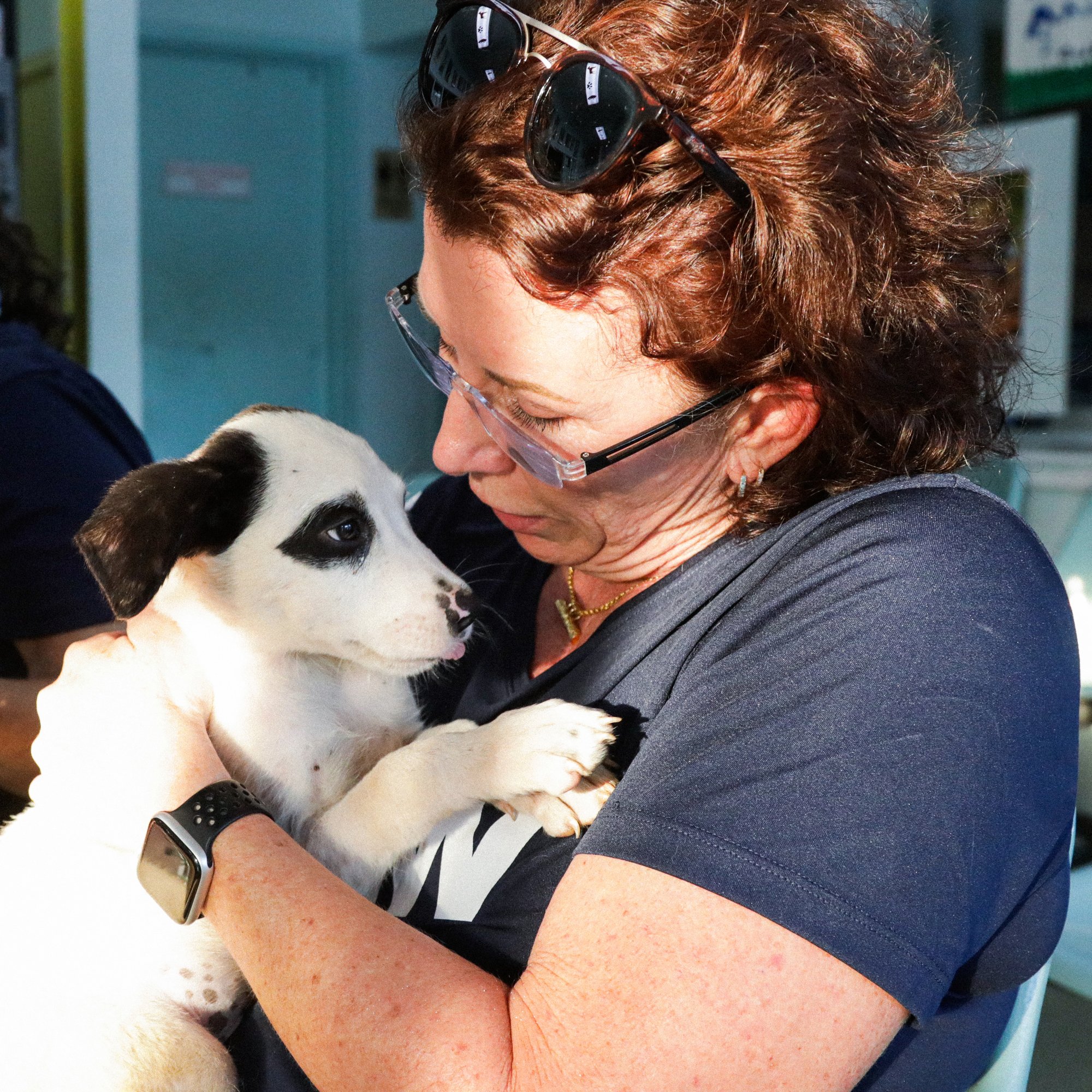
"I've loved animals for as long as I can remember... Dogs got me through my childhood, and animals have never stopped needing someone in their corner. I can't give to every charity that reaches me — no one could — but I trust Greater Good Charities to put whatever I give where it's needed most. That's why they're part of my plans for what comes after I'm gone. It's my legacy to the animals who never got to choose.”
- Dee from Chicago, IL
Where Your Legacy Can Live
Every gift becomes part of the same work, however you picture it. These are the places donors most often say their hearts land.

For those who move toward the moment everything falls apart, not away from it — the first hours after disaster, when a steady hand matters most.
.png)
For those who believe safety is the foundation everything else is built on — a door that finally locks from the inside.
.png)
For those who know dignity can be as simple as a full plate — making sure no one has to go without the basics while they rebuild.
.png)
For those who believe the surest way to change a life is to open a door to it — knowledge that outlasts any single gift.
.png)
For those who cannot walk past an animal in need — believing every creature deserves care, comfort, and the chance to be wanted.
.png)
For those who believe the surest way to change a life is to open a door to it — knowledge that outlasts any single gift.
If you are working with an attorney or estate planning professional, the following information can be included in your bequest or beneficiary documents to designate a gift to Greater Good Charities:
Legal Name: Greater Good Charities
Tax ID Number: 20-4846675
Legal Address: Attn: Accounting, 301 Union Street #21308, Seattle, WA 98111 US
Mailing Address: Attn: Accounting, PMB 138, 1700 7th Ave., Suite 116, Seattle, WA 98101
Why Leave a Planned Gift
A legacy gift is one of the simplest ways to leave a lasting mark on the causes you've spent a lifetime caring about. It costs nothing today, and it ensures our work — protecting people after disaster, animals in need of rescue, and the wild places worth saving — continues well beyond any one gift, any one year, any one lifetime. Your name becomes part of the story we get to keep telling.
Getting Started—5 Simple Steps
- Think about what you'd like your gift to support — our work broadly, or a specific program close to your heart.
- Talk with an attorney who regularly prepares wills, trusts, or other estate documents.
- Reach out to Debra Parsons, Director of Major Gifts (DebraParsons@greatergood.org) — she can help make sure your gift will be directed exactly as you intend.
- Ask Debra for sample bequest language to share directly with your attorney.
- When you're ready, share the relevant provision from your will or trust with us. It's kept confidential, and you're welcome to remain anonymous.
If you want a say in what happens to your property, yes — a will or trust is what makes that possible. It also lets you name someone to administer your estate, or serve as guardian for minor children. Without one, state law decides who receives your property, with no room for gifts to the people or causes you care about.
A gift in your will can take many shapes: a specific amount or asset, a share of what's left after other gifts, restricted to a particular purpose or left unrestricted, structured to provide for family first, or simply revocable — changeable by you at any time.
We'd recommend working with an attorney to put your wishes into a legal document that reflects exactly what you intend, including any charitable bequests. We're glad to provide sample bequest language to make that conversation easier — just ask.
However you direct us to. Many donors choose to establish a named endowment — a permanent fund that provides ongoing annual support for something specific, whether that's a program, staffing, or facility improvements. Others prefer their gift be used right away, for whatever the need is at the time.
Possibly. Unlike gifts made during your lifetime, a bequest doesn't come with a current income tax deduction — but if your estate is subject to estate tax, a gift to Greater Good Charities can reduce that liability. Naming us as a beneficiary of a retirement plan or IRA can also carry income tax advantages. As always, your financial planner or attorney is the best guide for your specific situation.
A legacy gift to Greater Good Charities is an easy way to leave a lasting impact to protect people, pets, and the planet. By planning a future gift to GGC, you are ensuring that our work will continue through our programs and initiatives. Your commitment to protect the vulnerable populations, homeless pets, and threatened species will be honored and sustained with your planned gift.
- Determine the Greater Good Charities programs you wish to support and the property you expect to be available for those gifts.
- Consult with an attorney who regularly prepares wills, trusts, and other estate planning documents.
- Contact our Director of Donor Engagement to discuss your planned gift to Greater Good Charities. She can help make sure your gift will be used for your chosen purpose, or help you select how the funds can be used to make a difference in the lives of pets in need.
- Ask our Director of Donor Experience to provide you with sample bequest language to share with your attorney.
- Provide our Director of Donor Experience with a copy of the relevant provision from your will or trust benefiting Greater Good Charities. This information will be kept on file and remain confidential. Planned gifts may remain anonymous by request.
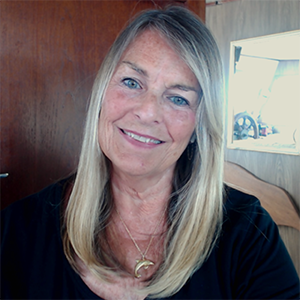
Manager, Development Operations
If you have any questions, please don’t hesitate to email: DebraParsons@greatergood.org
If you want to control the disposition of your property at death, you need to have a will or a trust to direct how and to whom your property is to be distributed. In your will, you can also name a person or company to administer your estate and someone to serve as a guardian of minor children. If you do not have a will, state law determines to whom your property is given – with no provisions for gifts to friends or charities.
A gift in your will can be:
- A specific dollar amount or a specific asset.
- All or a percentage of the “residue” of your assets (what is left after you have made other gifts).
- Unrestricted or Restricted (used for a particular purpose).
- Structured to provide lifetime income to family before the gift is available for use by GGC.
- Contingent (gift is made only if specific conditions occur, e.g., your spouse has died before you).
- Revocable (Can be changed by you at any time).
We highly recommend that you work with an attorney to craft a legal document that outlines your wishes, including your charitable bequests. Here are Sample Bequest Language that will hopefully guide as you make your legacy gift plan.
Planned Giving with Greater Good Charities
GGC uses gifts from estates as the donor directs. Often bequests are made to establish a named endowment in honor of the donor or others. Endowments are permanent funds designed to provide a perpetual source of annual support for a designated purpose, such as program support, operations, staffing, infrastructure improvements and facility upgrades. Bequests can also be designated for current use, which makes the entire gift available for use immediately.
Charitable gifts from estates present a variety of tax planning opportunities. But unlike charitable gifts made during your lifetime, you do not receive a current charitable income tax deduction. However, if your estate is subject to estate tax, a bequest to GGC entitles your estate to an estate tax charitable deduction for the amount donated, and reduces the amount of tax your estate must pay. Note also that if you make a gift by naming GGC as a beneficiary of your retirement plan or IRA, there are income tax benefits. Please advise with your financial planner or attorney for your individual planned giving.