Our environment is made up of countless interconnected organisms and habitats, all of which rely on one another for survival. One change—elevated pollution levels, a natural disaster, the decline in one species—can create ripple effects across the vaster environment; one crisis can quickly spiral out of control.
Not only do our non-human neighbors and their homes depend on us, but we depend on them too.
Greater Good Charities understands the connectedness of our environment. That’s why we work to fill gaps in aid, ensuring that no smile crisis goes unaddressed. We look at ecosystems in their entirety, leaving no stone unturned.
Our Work with Pollinators
Pollinators are one example of how a small thing can impact the environment in a big way. Bees and other pollinators are essential to our food supply. Agricultural pollinators are responsible for $15 billion in U.S. crop value annually, a number that includes 130 different types of fruits, nuts, and vegetables.
.png?width=800&height=479&name=landing%20page%20images-13-pollinators-puget-sound%20(1).png) That’s why protecting pollinators is about more than just protecting bees, bats, and butterflies.
That’s why protecting pollinators is about more than just protecting bees, bats, and butterflies.
When disaster strikes, bee colonies can be devasted, leading to concerns for our food supply. We collaborate with major food-producing partners like Cargill and Mann Lake to source emergency nutrition for pollinators and assist with the repair or replacement of damaged hives, equipment, and facilities so that beekeepers can resume operations and avoid economic collapse after a crisis.
In addition to responding to disaster, we also prevent crises through supporting native pollinators with planting initiatives and education.
How Spay and Neuter Protects Communities
On Kaua’i, endangered seabirds face a unique threat: feral cats.
The cat overpopulation on the island had become a danger to native wildlife, along with increasing the risk towards the community for diseases spread, injury, and human-animal conflict. The problem was causing a ripple effect.
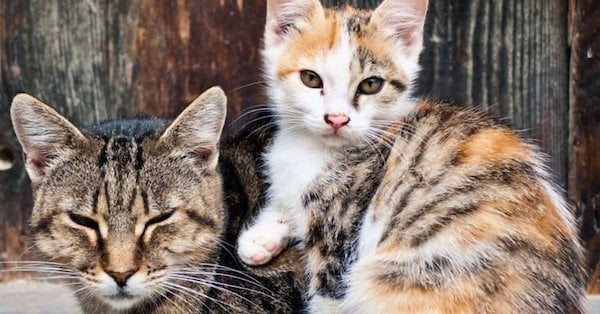
We went to the islands in 2021 to conduct a round of spay and neuter clinics, which would help the native bird population, the local community, and the cats. We conducted 3 rounds of spay/neuter clinics and sterilized a total of 2,690 owned and free roaming cats in Kaua’i.
Our work on Kaua’i is a testament to how problems multiply... but good work does too!
Saving Keystone Species from Extinction
Keystone species hold their ecosystem together. Whether it's through their migration patterns, dietary preferences, or building structures and habitats, these organisms shape their environment in ways that are crucial to the survival of other species. Without them, the entire ecosystem could change for the worse.
That’s why Greater Good Charities is dedicated to protecting threatened and endangered keystone species—like the manatee.
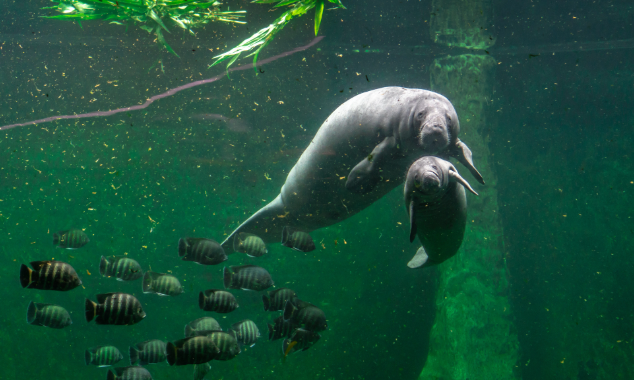
Because manatees graze on aquatic vegetation, they prevent overgrowth and clogged waterways. Their survival is essential for the survival of other species that call the ocean home.
By protecting the manatee, we’re saving the vibrant, living tapestry of our shorelines.
We All Benefit from a Healthy Environment
We all share one earth, which means that we all benefit from keeping it healthy and protecting the species who are stewards of their ecosystems.