It’s Hurricane Season. Running from June 1st through November 30th, this is the period of the year when hurricanes are most likely to form in the Atlantic Ocean.
The NOAA has predicted 8-14 named storms for 2026, with 3-6 of those projected to become hurricanes. With federal budget cuts to disaster relief leaving communities with fewer resources to lean on, families across the country already facing mounting food insecurity and displacement, and wildfire season already off to a historic start, the margin for error is lower than ever for already strained communities.
This hurricane season, they’ll need the help of NGOs more than ever.
What Makes this Hurricane Season Different
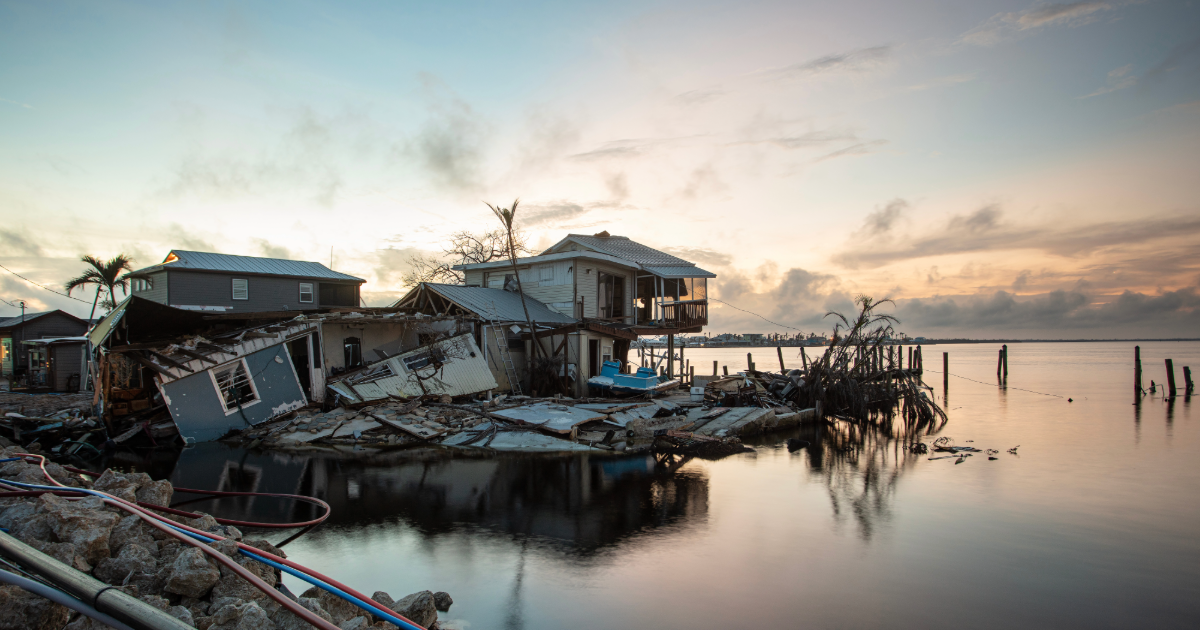
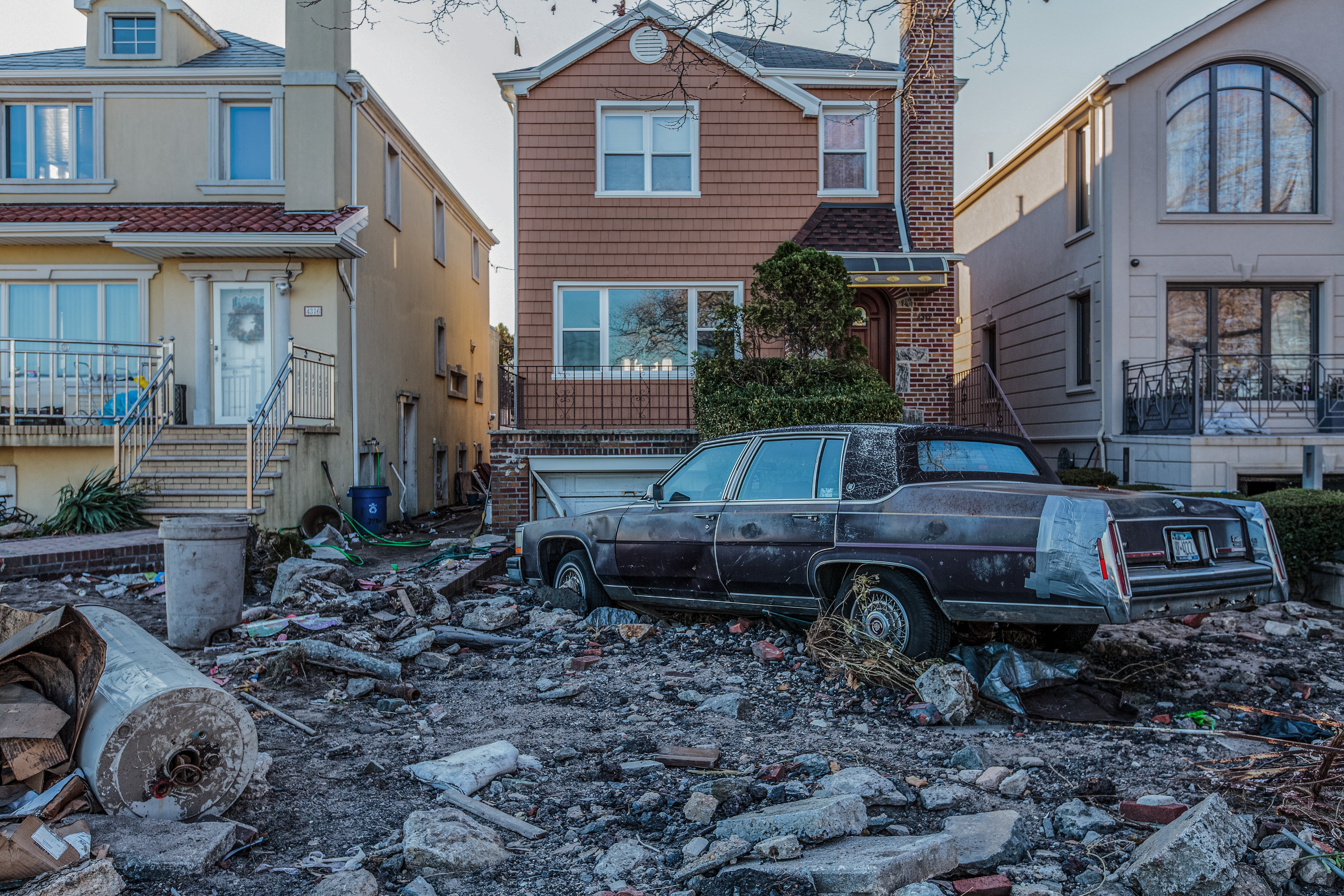
Hurricane season is never predictable. Storms can shift quickly, strike with little warning, and bring not only high winds but also heavy flooding, power loss, and long-term disruption far from the point of landfall.
This season, hurricane season not only carries greater stakes for already vulnerable communities; it collides with concerns for a perilous fire season as El Niño disruption to weather patterns are expected to build on intensifying hot, dry conditions that help fires ignite and spread.
Communities are now bracing themselves for these disasters while already struggling with the rising costs of living. Nearly 1 in 4 American adults reported food insecurity in 2025, and food bank demand is up 20% compared to this same time last year. Simultaneously, animal shelters nationwide are reporting record high pet surrender rates driven by economic hardship.
Local aid organizations are already overwhelmed, and the need is only growing. They simply can’t afford the destruction and economic impact of a large-scale disaster.
With Federal Budget Cuts, Disaster Response is Shifting
Disaster response has to be flexible enough to address multiple threats at once and agile enough to move resources where conditions change fastest. But the gaps in aid are widening.
When federal agencies tasked with disaster relief shrink, communities on the frontlines of disaster and climate change must rely on NGOs to fill the gaps. The Federal Emergency Management Agency (FEMA) is currently recovering from a partial government shutdown and operating with reduced staff. Additionally, funding cuts have restricted the ability of FEMA to fund disaster preparedness efforts.
Nonprofit organizations are now preparing to take on more responsibilities during disaster season. With less preparedness to mitigate disaster and the impacts of climate change intensifying each year, communities could be under water with little aid from the federal level.
.png?width=1200&height=630&name=landing%20page%20images-5-hurricane%20Season%20featured%20(1).png)
Greater Good Charities: There When It Matters
“Hurricane season officially starts today — but for Greater Good Charities, disaster preparedness never stops. With supplies pre-staged at nine locations across the country and trusted partners ready to move, we are always prepared to respond — for people, for animals, and for communities that need us most." - Laura Littlebear, Greater Good Charities’ Executive Vice President of Programs/Disaster.
For two decades, Greater Good Charities has been on the ground helping communities in their times of greatest need. Our past disaster responses have included:
- Hurricanes Helene and Milton, where we delivered $10 million in aid to vulnerable communities, making it our largest disaster response to date.
- Hurricane Melissa, where we delivered one of the first aid shipments on the ground in Jamaica.
- The Mauai Wildfires, where our teams provided emergency packs and school supplies, critical animal transport, and hands-on ground trapping to locate, treat, and reunite pets with families.
- The LA Wildfires, where, within 48 hours, our teams distributed hundreds of emergency packs, filled with first aid kits, hygiene products, blankets, flashlights, and 100,000 pet meals.
- The Texas Flood, where our pre-staged humanitarian and pet supplies allowed us to mobilized quickly to impacted communities.
To date, we’ve responded to 124 crises, supported 34 countries, and delivered over 75,000 emergency aid kits to people in need.
Right now, we’ve pre-positioned critical aid in 9 high-risk zones and established a network of over 100 distribution points—ready to deploy within 24–72 hours after a crisis.
When aid is pre-positioned, our response systems are ready to respond faster to changing conditions and meet needs across more than one type of emergency. That kind of readiness is especially critical in geographies where disaster risk overlaps with mounting pressures on humanitarian needs, because the people most likely to be affected are often the least able to absorb another shock.
That rapid response is only possible with steadfast support from donors like you and strong partnerships with organizations and communities who recognize the impact of readiness on crisis response.
Hurricanes and Expanding Crises
Our time in the field has taught us that disasters have rippling effects. Aid isn’t just needed in the immediate aftermath of a hurricane. As communities rebuild and the long-term effects on the environment become apparent, the need for relief grows. Greater Good Charities understands that disasters are multi-layered, affecting people, animals, and the larger environment. If anyone of these crises goes overlooked, the problems will only worsen overtime.
Disaster Preparedness and YOU
Times are hard. When disaster strikes and communities are destroyed, families can be hit with sudden costs. Staying prepared during hurricane season can help reduce the risk to you, your family, and your livelihood.
Take a look at our disaster preparedness guide to learn what steps you can take now to prepare for the next storm and help Greater Good Charities prepare with your donation today.