For Ukrainians, beekeeping isn’t just a business venture—it's a cultural touchstone. Around 700,000 beekeepers (over 1% of Ukraine’s total population) across the country produce 50,000 to 70,000 tons of honey each year.
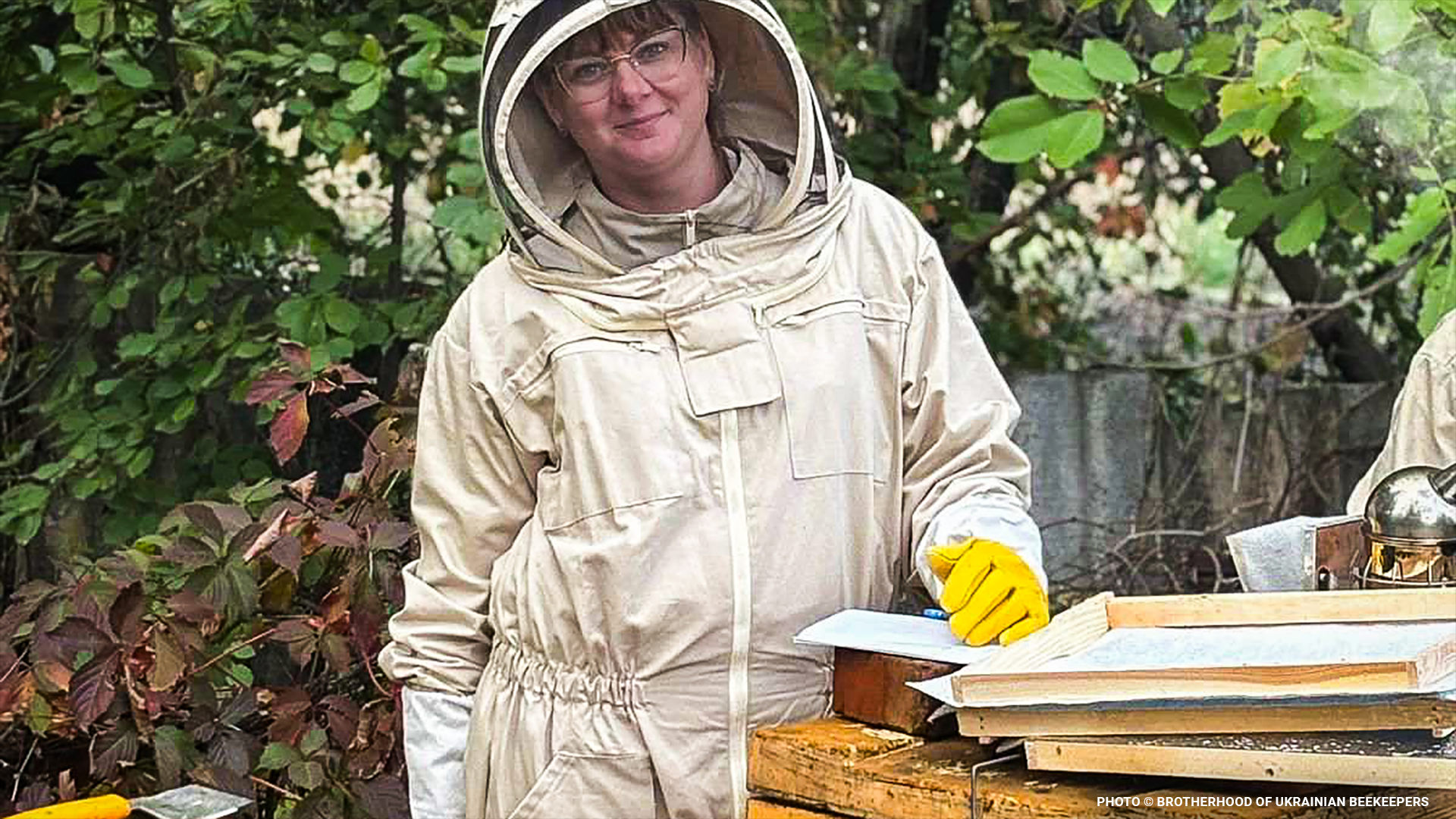
In Europe, Ukraine is and has been—despite over four years of conflict—the number one country for honey production for a decade. Breaking the mold of a small number of corporate interests controlling the majority of honey production seen elsewhere, Ukraine is wholly unique in its national honey production.
Over 90% of the country’s honey production is generated from small, private households and farm-run apiaries. Ukraine is Europe’s largest honey producer—and one of the top five in the world—because of the collective action of countless families, farms, and communities across the nation. It’s true that, for many families, beekeeping functions as the primary source of income. Without this income, communities throughout Ukraine are at risk of experiencing increased poverty, economic vulnerability, and social instability.
“Our work has turned into a literal battle,” Sergey, a beekeeper in Ukraine who has seen firsthand the destruction of hives and colony numbers, told us. “When burned-out military equipment sits in the fields instead of combines, we fight for every single drop of honey.”
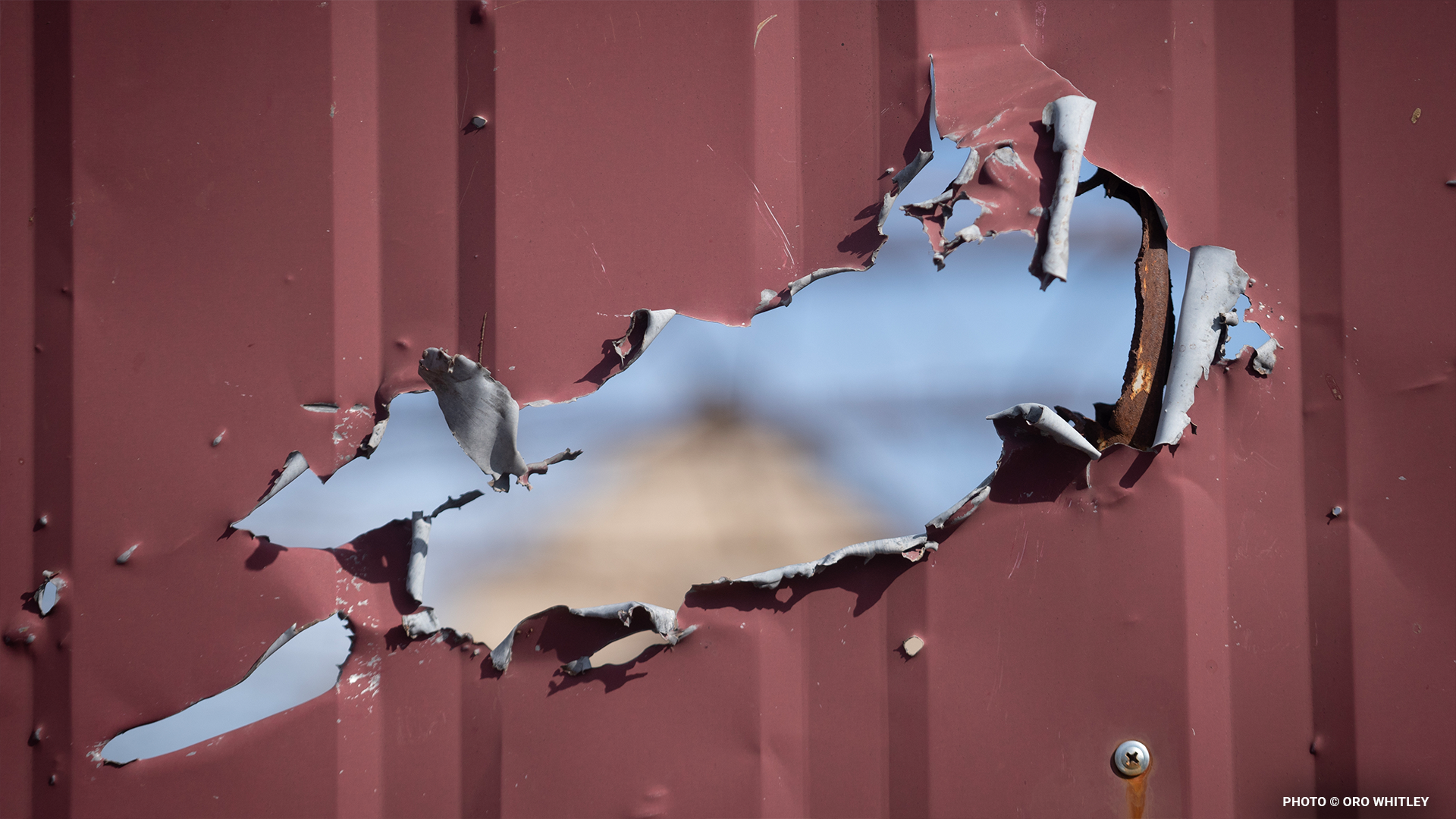
“Today,” Sergey says, “beekeeping in Ukraine is more than just agriculture; it is a symbol of our resilience.” With fields scarred by shrapnel and logistics disrupted, beekeepers are struggling to move hives for seasonal foraging because of landmines. Bees are becoming sick because they lack natural forage. And colonies are dying out due to a shortage of veterinary supplies.
But beekeepers like Sergey simply won’t give up: “We are learning to work under wartime conditions, implementing new care methods, and fighting for every bee colony. Our honey today is the calling card of an unbreakable nation—one that, even amidst the fire, continues to offer the world a taste of the 'sweet life'.”
How the Full-Scale Invasion Affected Beekeepers
For beekeepers like Sergey, and the bees they care for, the war has been devastating.
Though Ukraine has been remarkably resilient—and productive—in the face of conflict, destruction, and irreparable harm to the nation’s honey producers, the damage has been evident for Ukraine’s people. Preliminary estimates suggest that 30% of the country’s beekeeping productive potential has been lost since 2022.
Connecting with our partners at the Brotherhood of Ukrainian Beekeepers, Chairwoman Tetyana Vasylykivska confirmed that eight regions in Ukraine—Kharkiv, Kyiv, Dnipropetrovsk, Zaporizhzhia, Sumy, Chernihiv, Kherson, and Sergey's home region of Mykolaiv—are still struggling to rebuild.
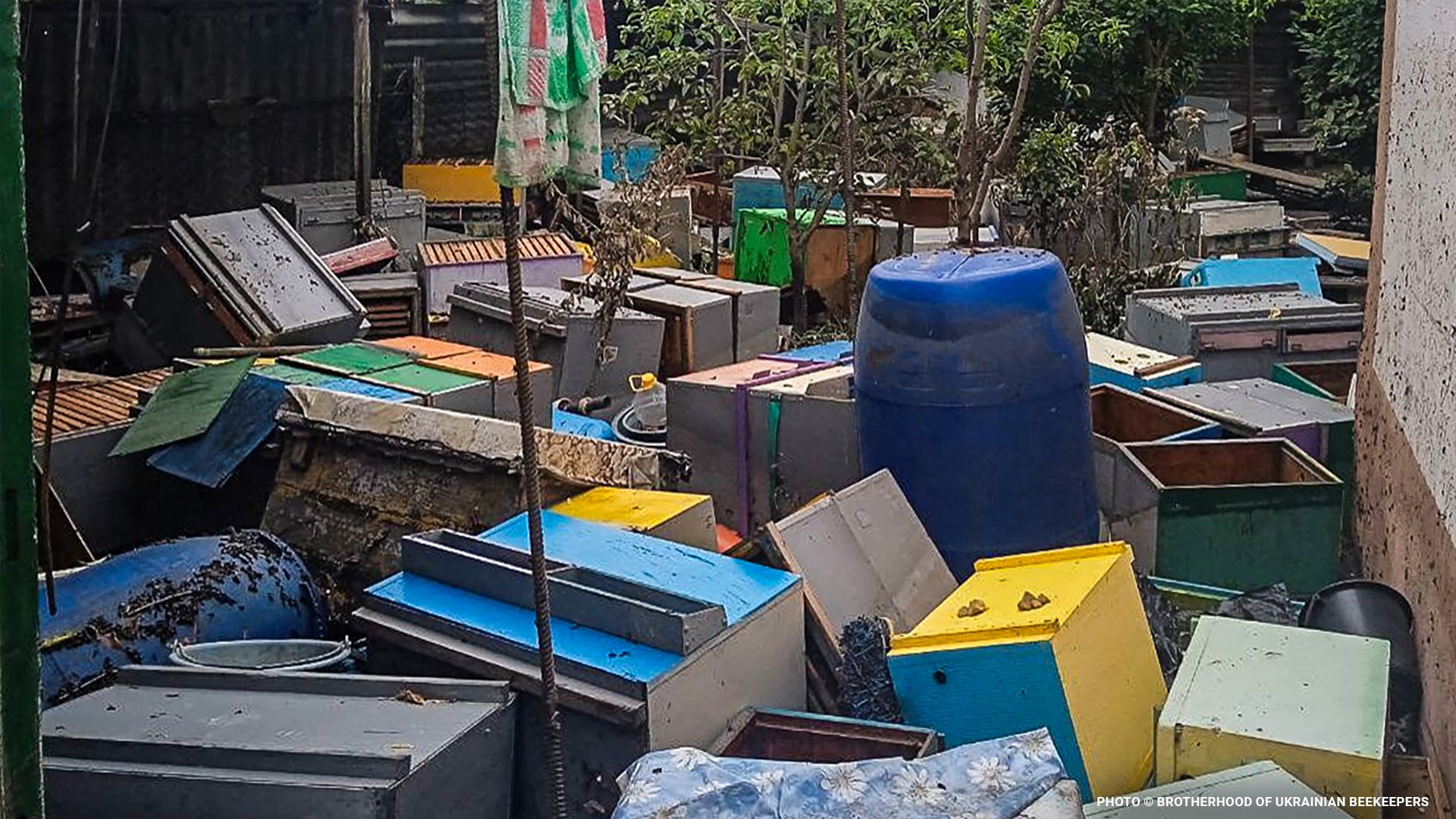
“[These regions] have suffered significant damage,” Tetyana told us. “A large number of apiaries were destroyed, abandoned due to hostilities, or remain inaccessible due to landmines.” These aren’t just material losses—the human impact is slowing recovery substantially. “Many beekeepers have been mobilized to serve in the Armed Forces of Ukraine. [They’ve] lost family members. . . For many families, beekeeping was the main source of income. Its collapse has led to increased poverty, economic vulnerability, and social instability in rural areas.”
Sergey’s own beekeeping experiences reflect what many have had to deal with: “The war hit the bees hard. When the shelling began, apiaries ended up in the line of fire. Many of my colleagues lost everything: hives burned to the ground, and bees perished from smoke or stress. Some were forced to leave everything behind and flee, leaving their apiaries under fire.”
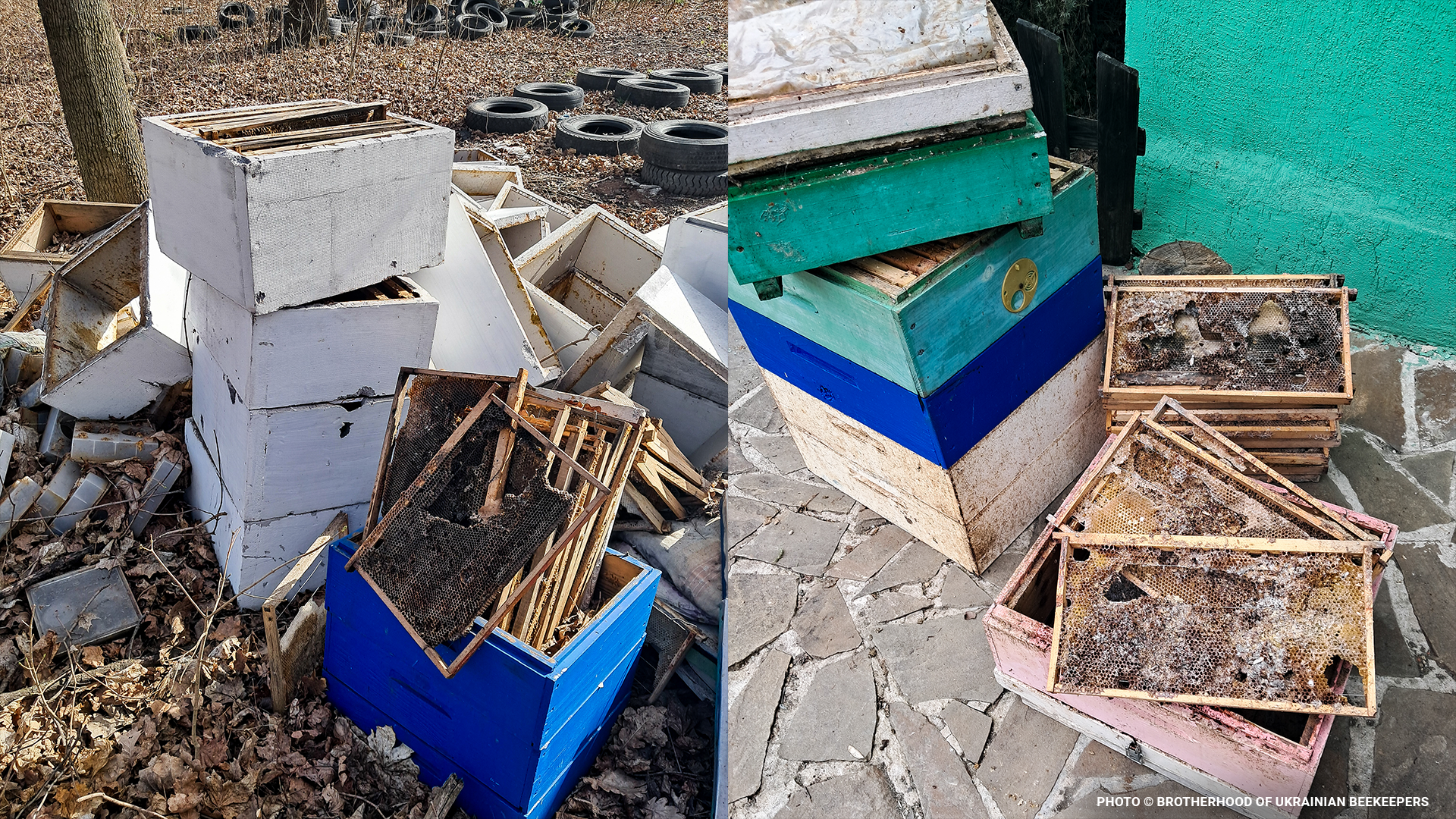
In recent years, requests and demand for bee packages have remained high as beekeepers struggle to recover their apiaries and their livelihoods on their own. In 2026, however, Ukraine is experiencing substantially high bee mortality rates across the country.
Several factors—an abnormally dry previous season (where bees faced starvation for nearly six months), an unusually cold winter, and escalating military activities—have decimated bee colony numbers in Ukraine. As Ukraine’s beekeepers strive to prepare for the 2026 season, and as the fighting and destruction pervade, the number of requests for bee packages and support has been nothing short of overwhelming.
Sergey’s Personal Experience Collaborating with Greater Good Charities and How It Helped His Bees Recover
“The most painful thing is seeing your smashed hives—and realizing that years of labor were destroyed in a single minute.”
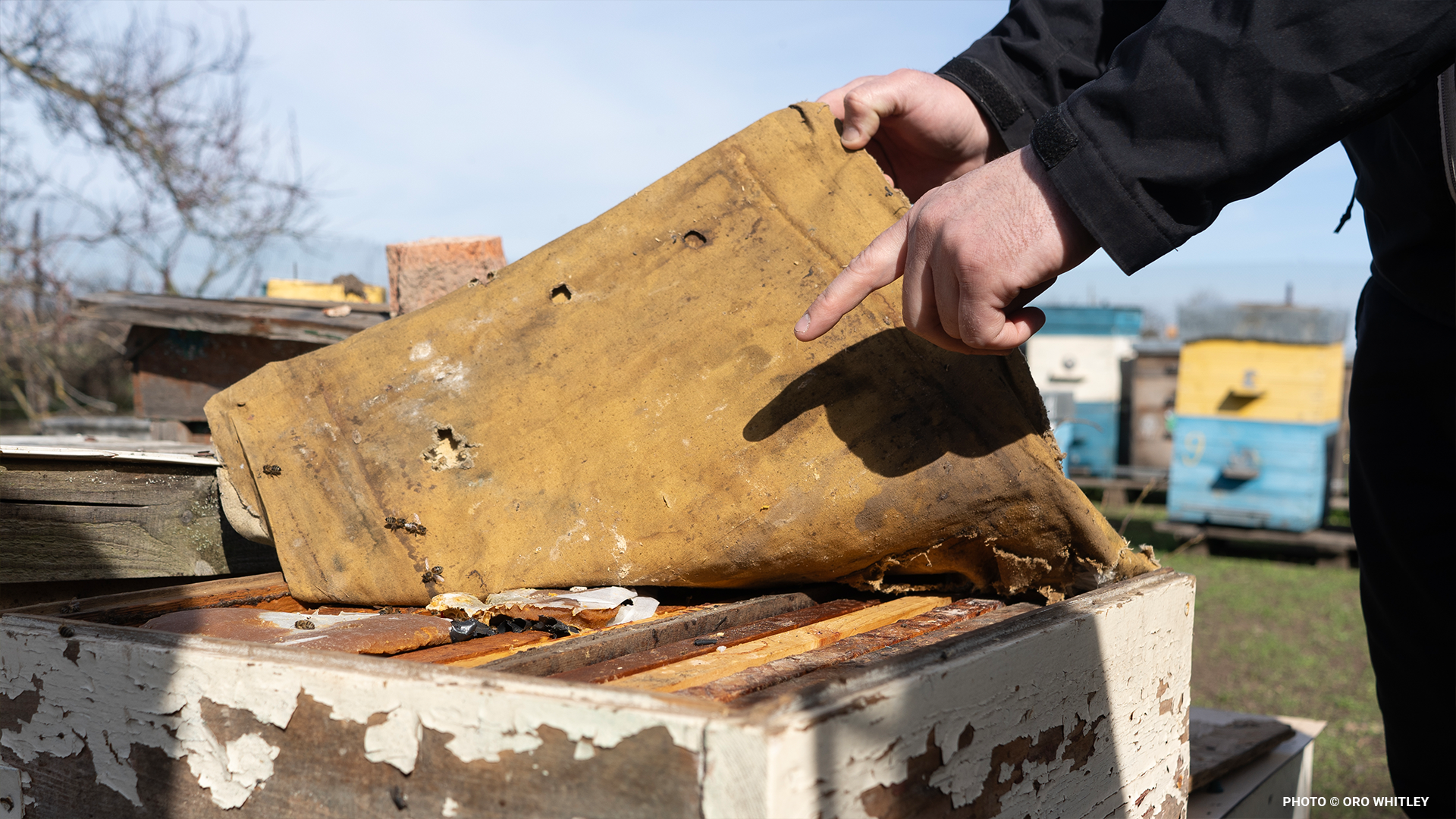
Countless beekeepers like Sergey found themselves on the brink of despair: without funds, without feed, and without medicine to save their ailing bees. There was also the crisis of dwindling forage: “We faced the reality that the bees had nothing to eat. Fields burned, and nectar-producing plants were crushed by heavy machinery.
Many in Ukraine running apiaries thought they would have to say goodbye to the profession forever, certain they could not rebuild alone in the face of war. Experienced beekeepers were pushed to the edge. “For a beekeeper,” Sergey asserts, “losing an apiary is like losing a piece of your own soul. . . It felt like the profession might simply vanish from our region.”
When disaster struck, Sergey feared it would be the end of his apiary. With the destruction and ecological devastation of military activity, Sergey’s colony numbers were cratered.
“Of my ninety hives, only five remained—it made my heart bleed to see it.”
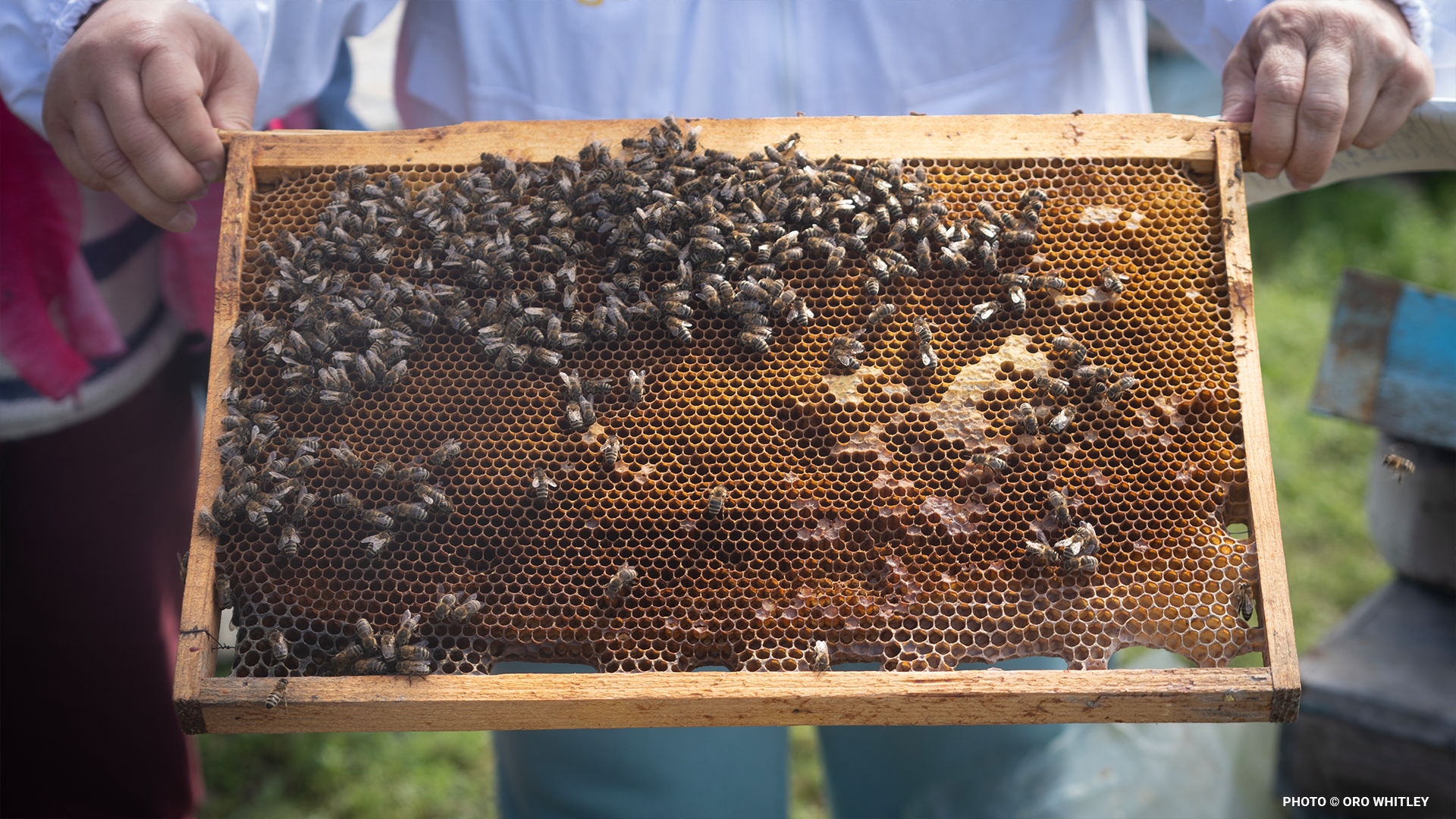
But help arrived for Sergey at the moment his need was greatest. Hearing about the Help on Bee Wings Charitable Foundation, Sergey felt hopeful in the wake of devastation: “I wrote to them, filled out an application, and told them about the destruction I had faced. And they responded.”
Sergey learned that for the last four years, Greater Good Charities has been working with partners in Ukraine to save the nation’s bees and the beekeepers striving against unimaginable hardship. “This wasn’t just assistance,” Sergey remembers, “it was a rescue.” Sergey’s application to Help on Bee Wings was accepted; he was provided with new bee packages foundational to his new apiary, along with specialized protein and carbohydrate feed to ensure his bees could survive after having their natural environment decimated.
“It was a true rebirth of my farm. . . Thanks to this help, my apiary has recovered to 40 hives. Now, I hear that familiar hum again. I am infinitely grateful. . . because they gave me back my sense of purpose.” After fearing his time as a beekeeper was over, Sergey now donates excess honey from his operation to local schools and hospitals, insisting that the kindness shown to him must be passed on.
Resilience and Recovery: How Other Beekeepers in the Region are Rebuilding
In the Mykolaiv and Kherson regions alone, hundreds of beekeepers have received this same help from Help on Bee Wings. Countless beekeepers like Sergey insist that cooperation and collaboration are the only things that will truly save Ukraine’s apiaries.
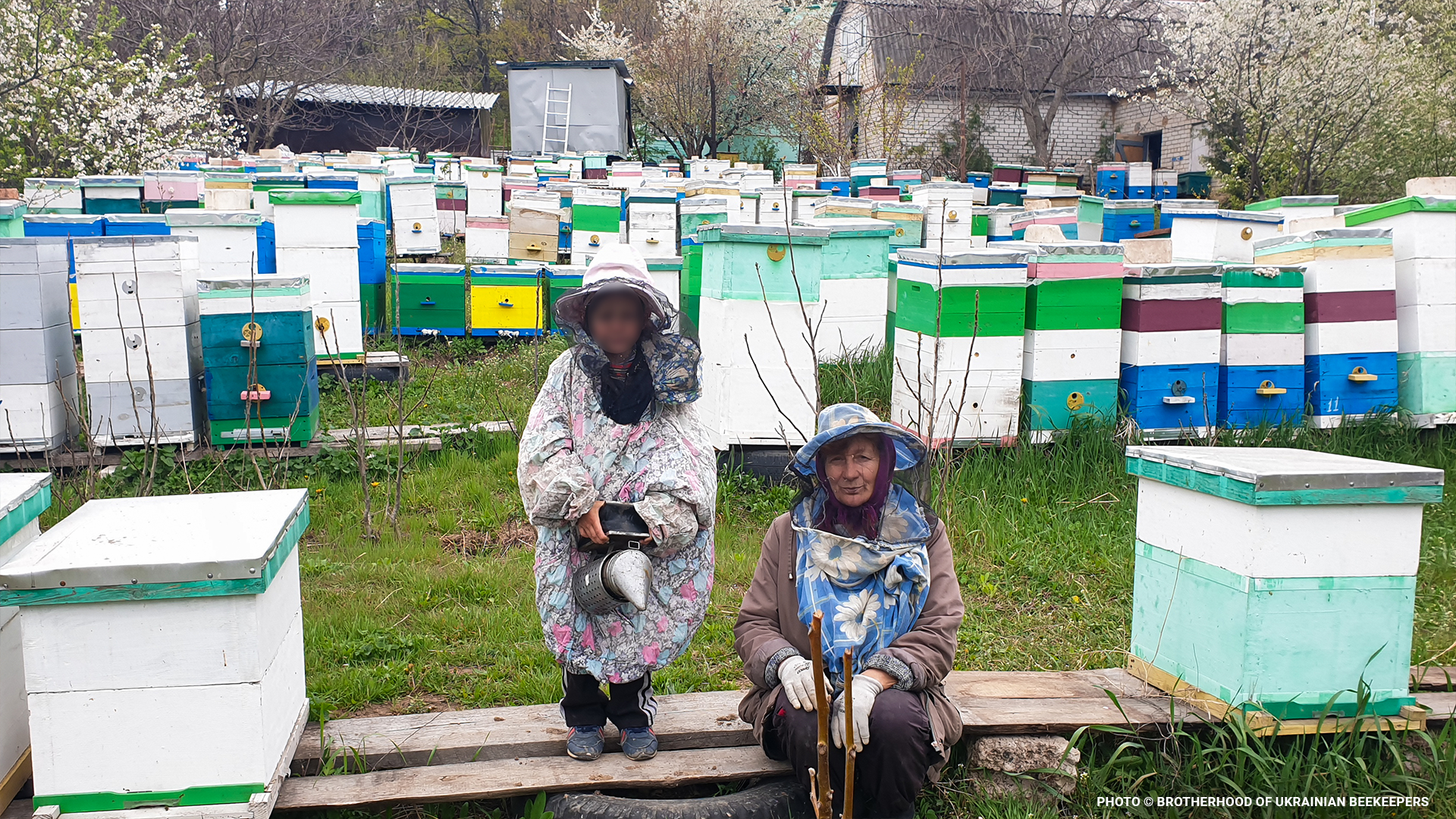
“[This support] gave us beekeepers the strength not just to survive, but to develop further. We are like one big family now—sharing experiences and helping each other restore our apiaries.” Sergey can’t help but marvel at the strength of his people and his community: “That is true resilience: when you place a new hive right next to a shell crater.”
Across Ukraine, beekeepers truly are representing the resilience of its people. Persisting in their work despite the hardships, returning to devastated villages after occupation, and striving to return bee populations and local ecologies to a place of health and stability.
Since the earliest days of the full-scale invasion of Ukraine in 2022, Greater Good Charities and our partners have stood alongside Ukrainian communities, helping people and animals navigate life amid destruction, displacement, and fear.
As Ukraine’s beekeepers begin the 2026 season and attempt to rebuild their colonies, we’re sending $82 kits filled with critical disinfectant, replacement bees, queens, and bee boxes, and other hive-maintenance materials that bring effective emergency aid to apiaries in need.
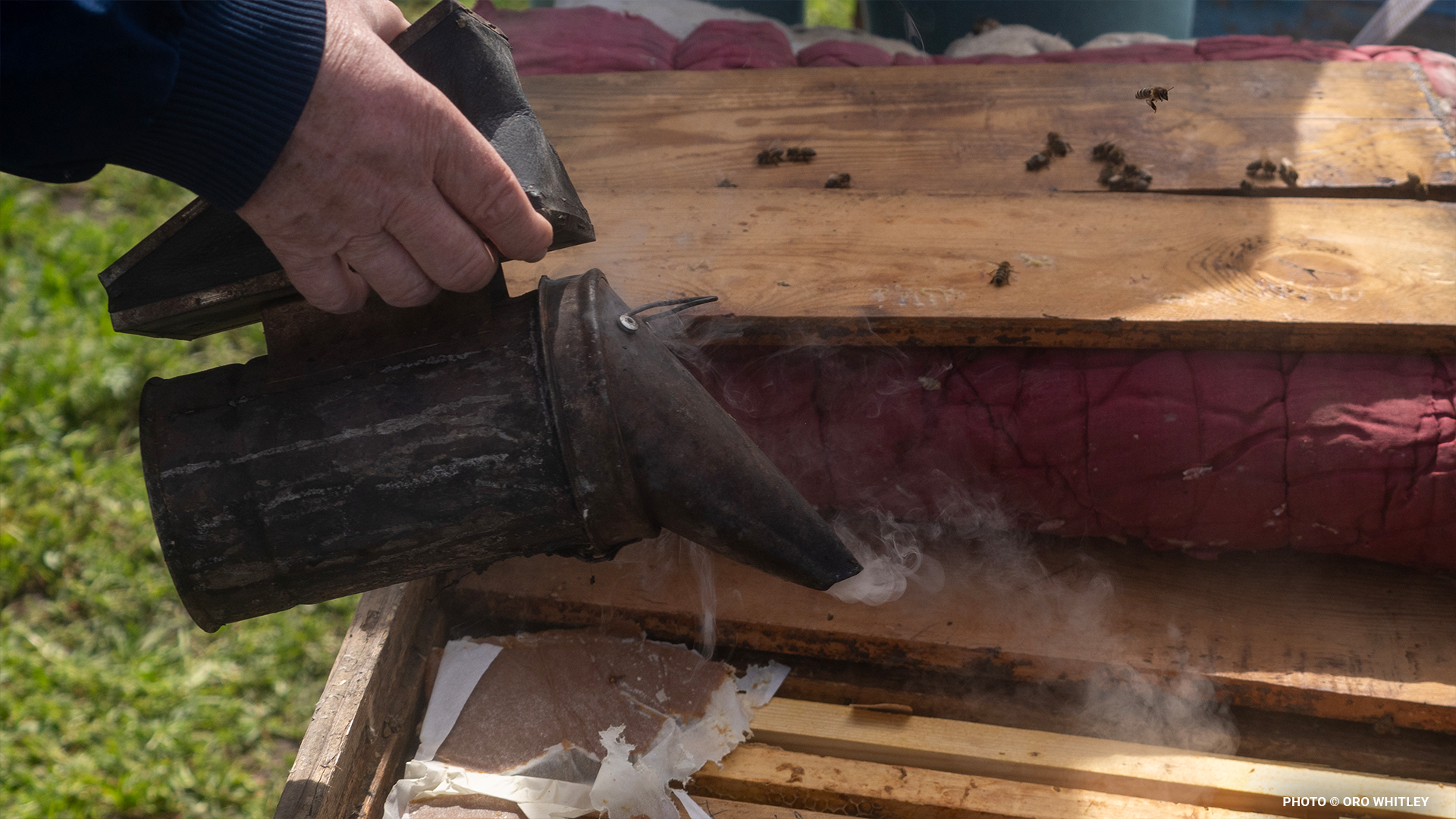
In the wake of disaster, beekeepers and communities throughout Ukraine are doing what they’ve always done: resist, rebuild, and endure. For a profession that requires self-reliance, Ukrainian beekeepers are shifting mindsets by working together—and accepting outside help. “We beekeepers are people used to relying on our own hands,” Sergey explains, “but in the face of this wartime destruction, we could not have stood our ground alone.”
Through programs like the Help on Bee Wings Charitable Foundation, the people of Ukraine are gaining access to true beekeeping specialists—specialists who understand their losses and needs, and value the labor and care each beekeeper has for their own.
“They came to us, here in the Mykolaiv region, saw our ruined yards, and supported us with both words and deeds. They have become like family to us because they know the value of every bee colony.”
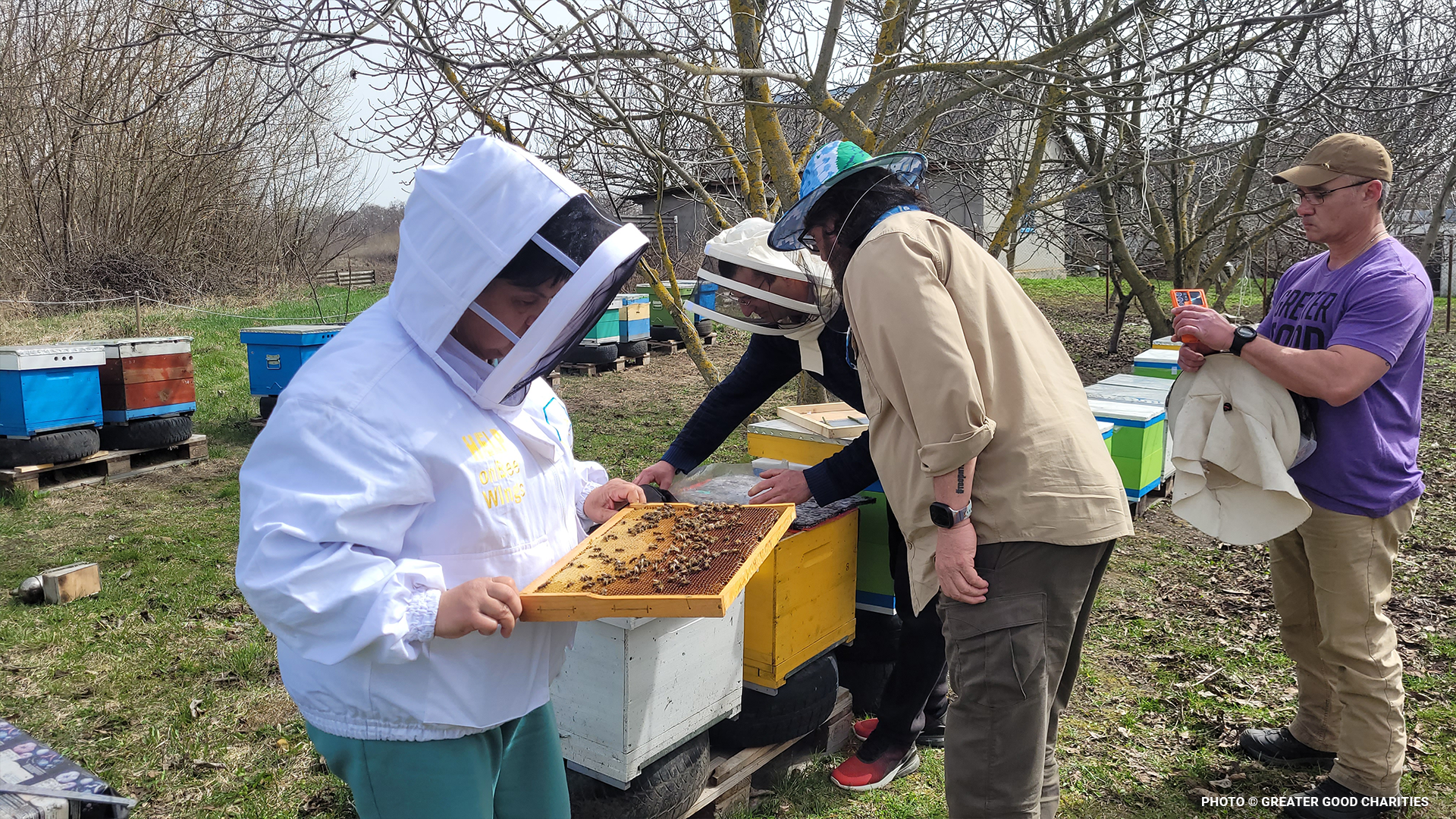
As Ukraine’s beekeepers continue rebuilding, we remain steadfast beside them. The knowledge that the people of Ukraine—including its beekeepers—are not alone brings immeasurable resolve to the people of Ukraine. “When you are under fire,” explains Sergey, “feeling that people across the ocean remember you—it gives you incredible strength. The aid from these organizations—bee packages, replacement feed, veterinary supplies—is not just cargo. It represents saved livelihoods and a preserved profession for all of us.”
As Sergey and beekeepers like him continue to restore their apiaries, Greater Good Charities and our partners will keep raising funds, delivering essentials, and reminding Ukraine’s people that they will not be forgotten.
Support for Ukraine’s apiaries goes beyond serving pollinators—it helps to preserve a familial, local, and regional way of life.
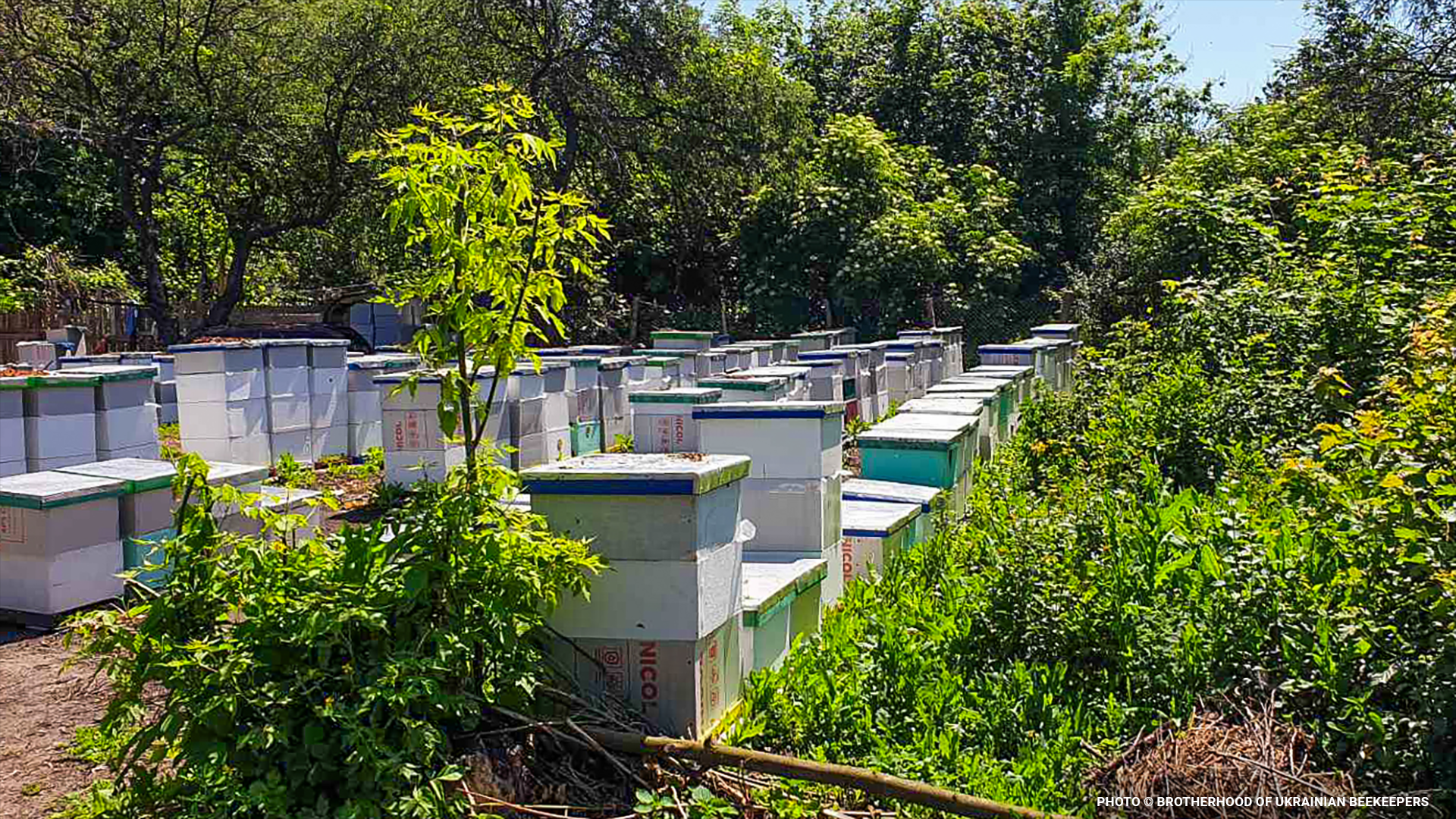
Though conflict has brought countless challenges and hardships to beekeepers, Sergey is certain: “As long as the bee hums in the apiary, Ukraine lives and will continue to live.”