As the effects of climate change—from natural disasters to intense droughts and heat waves—intensify, the need for climate solutions is dire. Protecting land can be the beginning of the fight to save the planet.
When we safeguard prairies, forests, wetlands, shorelines, and more, we also help our own communities. Healthy ecosystems can act as safeguards against disaster, protect our food and water supply, and mitigate the devastating effects of climate change. Here are all the ways in which conservation work helps communities.
Carbon Storage
When we protect land like forests, wetlands, and grasslands, we improve our atmosphere. These ecosystems store carbon dioxide in their vegetation and soil, which helps to manage the effects of climate change. An excess amount of carbon dioxide in the air can contribute to global warming, rising sea levels, and an increase in natural disasters.
Flood Mitigation
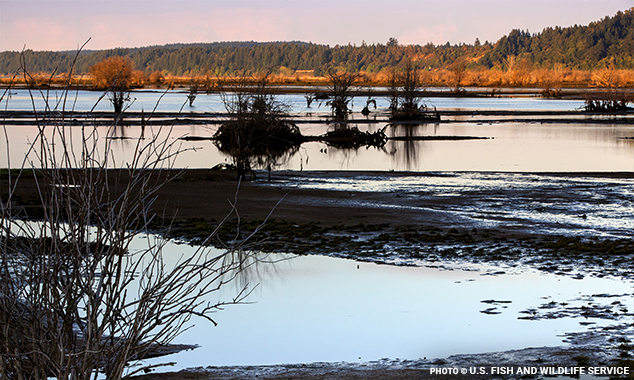
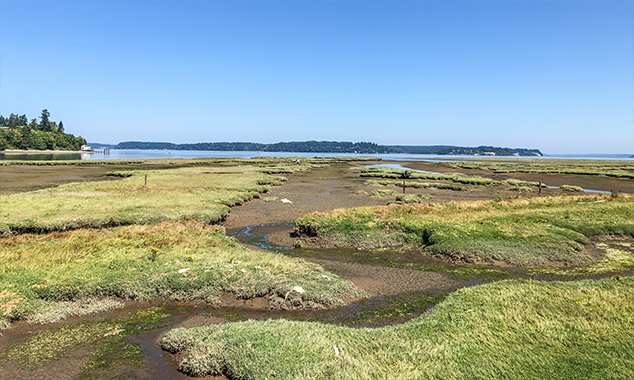
Flood insurance can cost homeowners hundreds or even thousands of dollars per year. But did you know that ecosystems like wetlands provide natural flood insurance? Natural floodplains soak up surplus water, slowing the spread of floodwaters. Building up our green infrastructure protects communities from flood damage—and the costs associated with it.
Heat Reduction
Have you ever heard of a “heat island”? A “heat island” is what we call cities which, due to being densely populated with buildings and lacking in green spaces, absorb too much heat. This creates more air pollution and makes the cities far more susceptible to heat waves.
Land conservation can help cool these areas down. Green spaces provide natural shade, release much-needed moisture into the air, and help deflect the sun’s radiation.
Water Filtration
Just as natural floodplains can prevent water from overflowing into communities, wetlands—and forests—can also protect our water supply. These areas trap sediments, break down pollutants, and absorb excess nutrients. Water treatment is expensive; conserving land protects both your water supply and your wallet.
Disaster Resilience
Extreme weather is becoming more common and more intense. Around the globe, natural disasters are causing more damage than ever before. By protecting land, we can help lessen the damage caused by hurricanes, tornadoes, wildfires, and more.
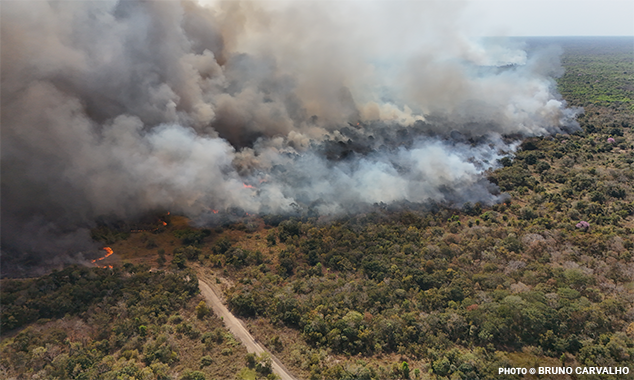
Natural ecosystems protect us from disasters, from wetlands preventing flooding to coastal dunes absorbing storms. We may not be able to avoid disaster entirely, but we can reduce the hardship that follows through long-term environmental strategizing.
Greater Good Charities partners with organizations around the world to conserve land—both for the protection of the environment and for the safety of our own communities. With each ecosystem we save, we’re safeguarding the future of our planet. Learn more about our environmental work here.