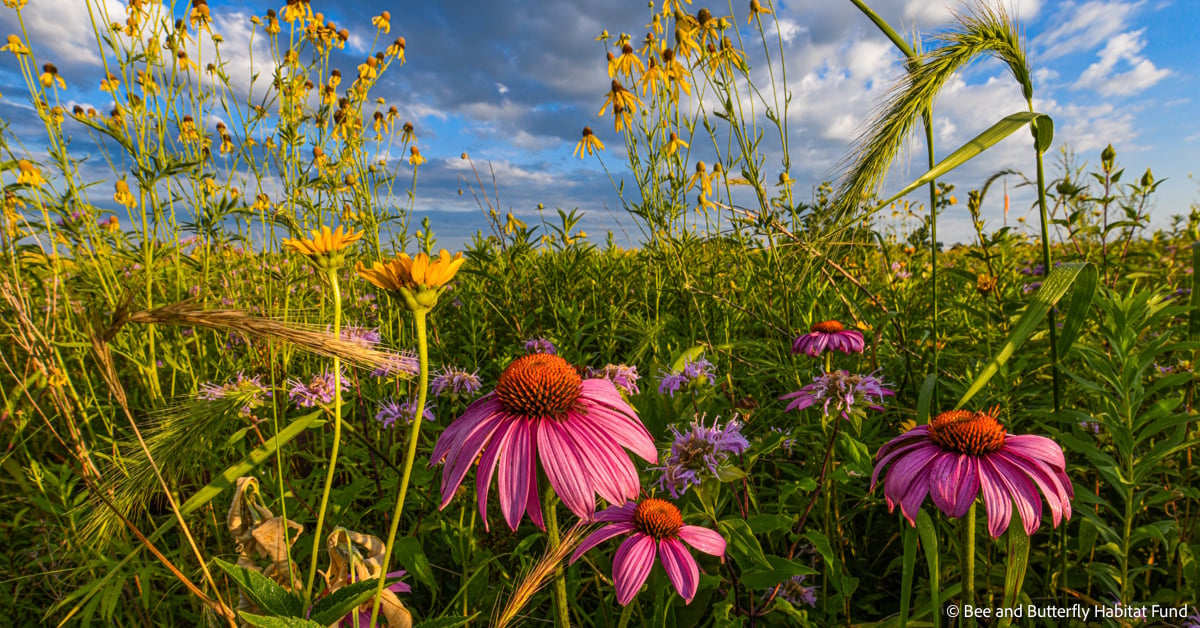
Federal funding cutbacks are threatening the future of environmental protection.
Wildlife populations have declined by 73% since 1970. At the same time, 75% of the land on Earth has been significantly altered by humans. We are losing forests, prairies, wetlands, coral reefs, and more.
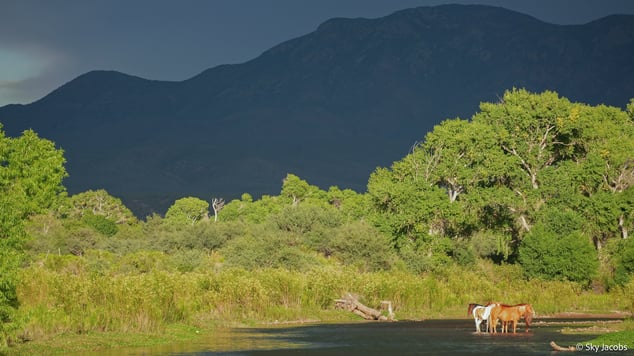
Between human development and the devastating impacts of climate change, the need to conserve ecosystems and endangered species is greater than ever. But this conservation work—which is critical to the future of our planet—requires significant funding.
Recent federal funding rollbacks for environmental protection could have dramatic and far-reaching consequences. Without proper funding, the future of land protection will be at risk.
How Conservation is Funded
Much of the funding NGOs (non-governmental organizations) receive for land conservation comes from the federal government.
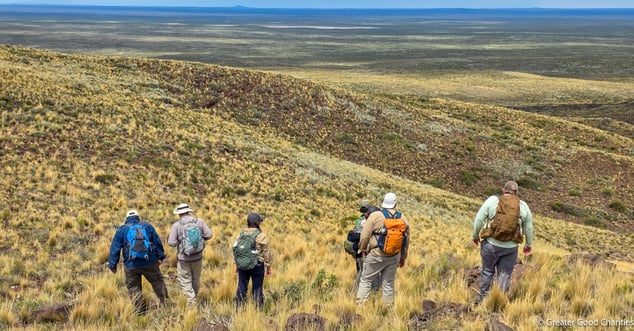
Every year, the U.S. federal budget is decided, beginning with a presidential proposal which must then go through Congress. Congress drafts appropriation bills, deciding how much funding will go to each sector. They award funding to federal institutions like the Environmental Protection Agency, which in turn provides grants and contracts to environmental nonprofits.
The proposed budget for 2027 seeks to cut the EPA’s funding by nearly half.
What Happens When Funding Shifts
When funding is cut unexpectedly, NGOs must make difficult decisions about what work to prioritize. Often, they’re forced to roll back on staff and cut some environmental projects altogether. If they aren’t doing the work, the work isn’t getting done.
Funding cuts can lead to:
- The further loss of biodiversity when projects to protect wildlife are slashed
- Unsafe conditions in communities when projects to combat pollution or manage coastal flooding are halted
- A loss of jobs as organizations are forced to downsize
Why Continuity Matters
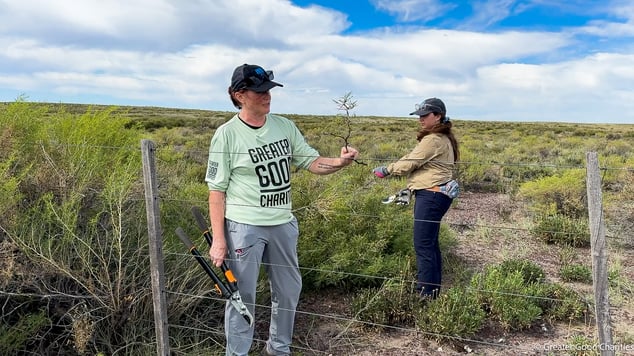
Land conservation doesn’t happen overnight. It’s a lengthy process of research, habitat management, species monitoring, and land restoration. Any interruption to this process can result in unreliable data and an inability to plan for the long-term.
The environment is also changing constantly, and decades of environmental work can quickly be undone by disaster, pollution, and the effects of climate change. Even if funding is restored after a year or two years, NGOs will find themselves tackling larger problems than before.
How NGOs Respond
Without funding from the federal government, NGOs rely on organizations like ours, which awards grants for environmental projects around the globe, and on donors like you. Your support is vital to the future of land protection, filling gaps when funding from traditional sources becomes unreliable.
You can donate now to fund essential land conservation work. Learn more here.