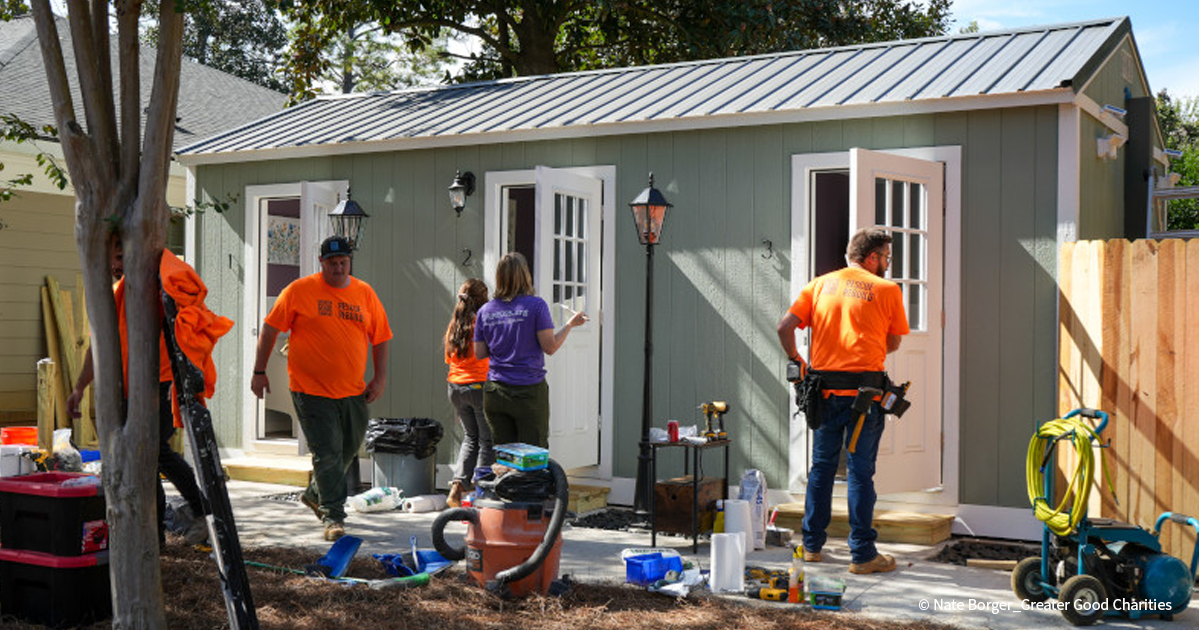
Across the country, veterinary services are growing more difficult to access for millions of families. Rising costs of food, fuel, and essential goods and cuts to government aid programs combine to put vet care further out of reach. And as the gap between need and available support widens, natural disasters are striking more often with more power.
At Greater Good Charities, we know crises don’t happen in isolation. Human and animal needs are deeply interconnected, so veterinary services aren’t just about animal health—they’re connected to family stability, public health, shelter systems, disaster recovery, and community resilience.
The Growing Veterinary Access Crisis
Rising obstacles to veterinary care—driven by increasing costs and the absence of universal insurance—have created a national crisis. These compounding financial and logistical barriers frequently force families into heartbreaking situations, including delayed treatment, pet relinquishment, and even euthanasia.
Meanwhile, a critical veterinary workforce shortage is leaving many rural, Indigenous, and underserved communities without nearby care. Geographic isolation means pet owners in these areas have to travel hundreds of miles for services—distances they can’t always cross.
The ripple effects can be dire. Delayed care leads to preventable health issues, and unplanned litters contribute to pet overpopulation. Our shelter partners are reporting elevated intake rates while already struggling with overcrowding and staffing shortages.
Veterinary Services Become Even More Critical During Disasters
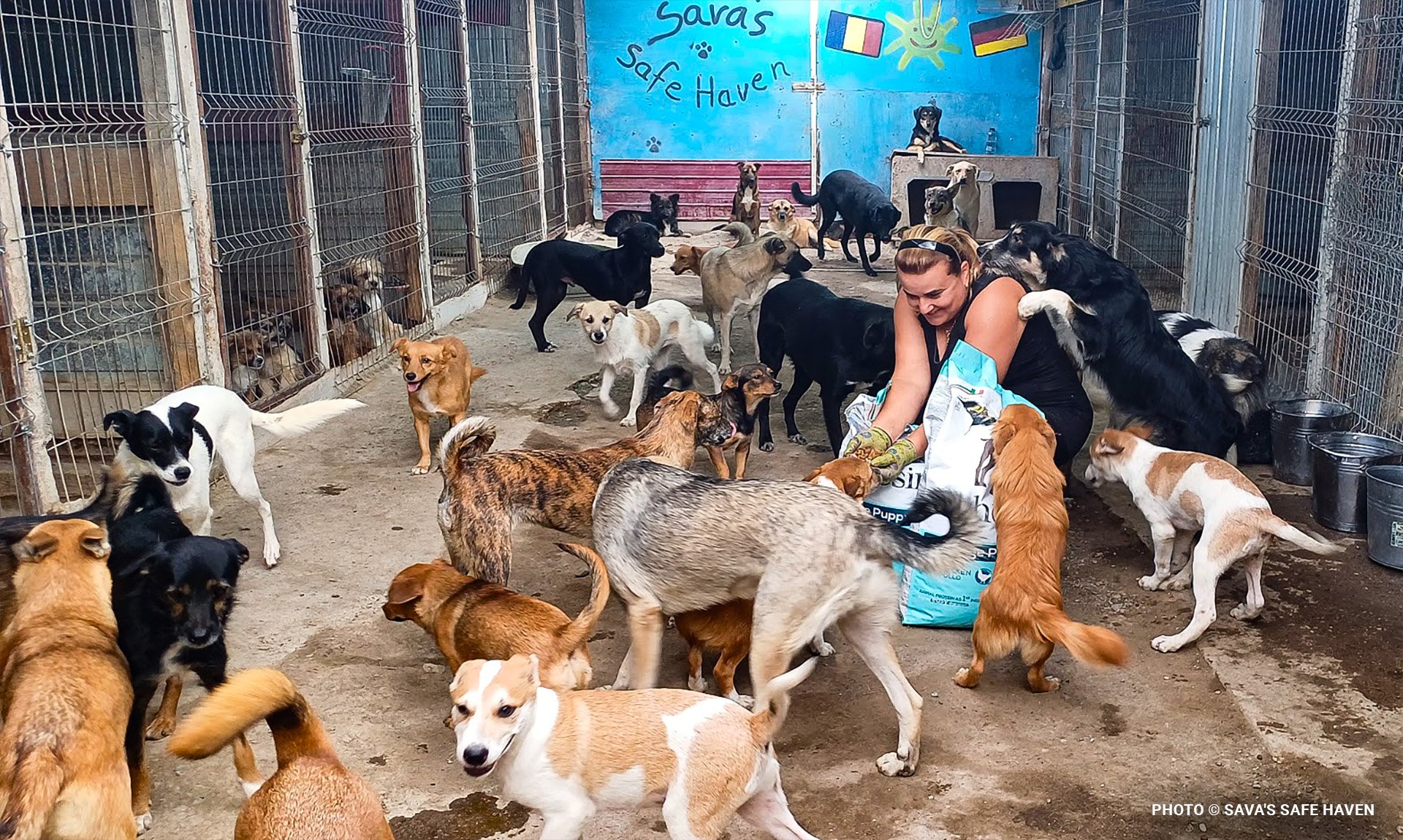
When disasters strike, animal health needs escalate. Families evacuate with pets but often without the supplies they’ll need while indefinitely without homes. Meanwhile, animal shelters become overwhelmed as strays, surrenders, and injured animals flow through their doors. Veterinary infrastructure can be damaged or inaccessible at a time when animals need urgent treatment for injuries like burns, smoke inhalation, or trauma.
Why Veterinary Services Matter Beyond Animal Welfare
Pets are a primary source of emotional stability and comfort, especially for families experiencing sudden economic displacement. People often prioritize the needs of their pets before themselves. But no one should have to sacrifice their own health for their animals’ care. Access to veterinary resources that keep families and animals together is part of whole-family relief, while also relieving strain on the shelter system.
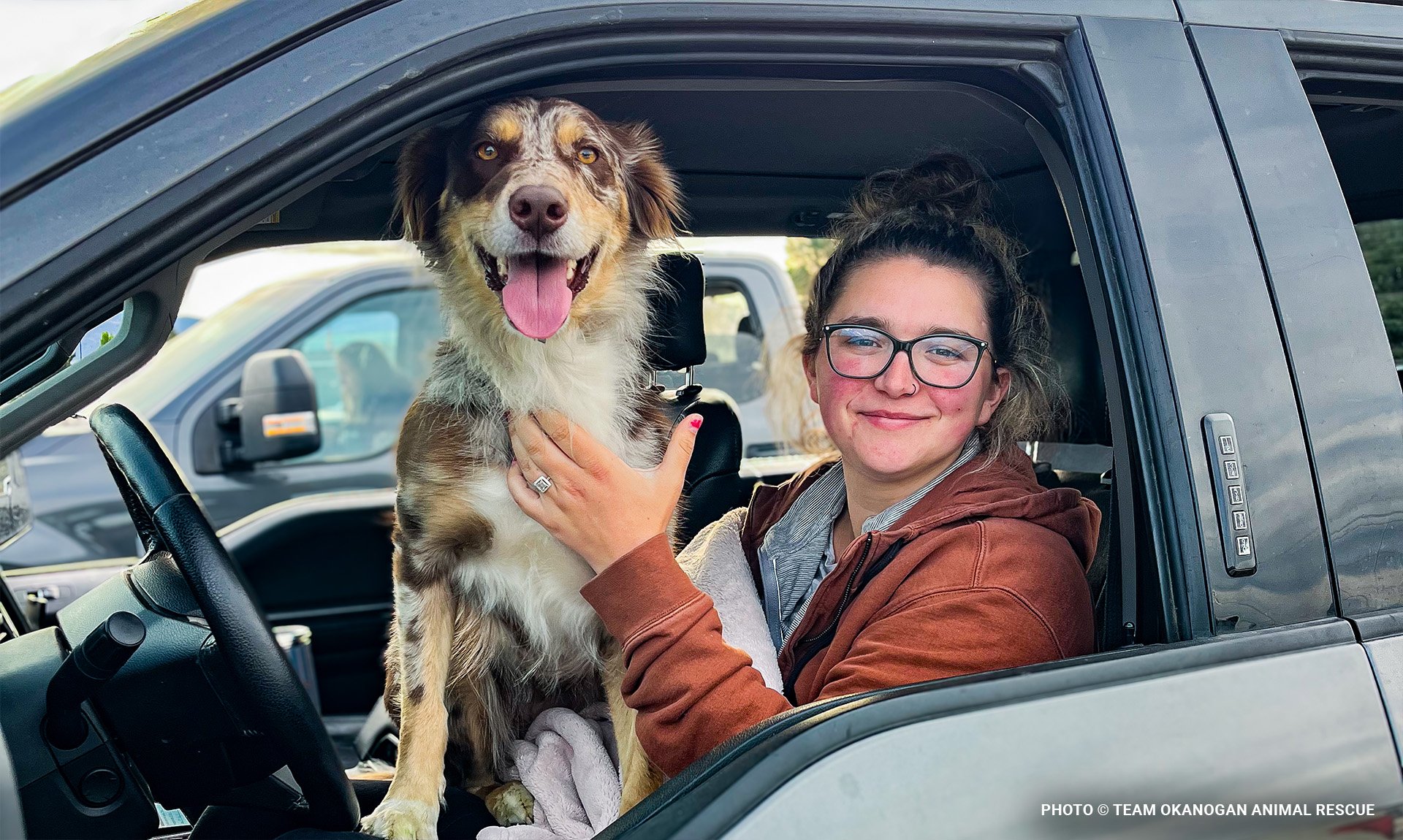
Plus, healthy pets reduce financial stress on families. Overall community stability is strengthened when accessible care lowers shelter intakes, euthanasia rates, and human-animal conflict to a minimum and increases public health and safety to the maximum.
How Greater Good Charities' Veterinary Services Fill Critical Gaps
Our veterinary team’s free high-quality, high-volume spay/neuter clinics break down barriers to veterinary care in communities that need them most, whether facing economic hardship, geographic isolation, or crisis. Offering sterilization, vaccinations, microchipping and education for owned and free-roaming animals, these on-site, same-day services meet communities where they are.
We've visited Alaska's remote Indigenous communities and amplified Hawaii's efforts to address free-roaming animal populations. We’ve helped Oklahoma shelters reduce euthanasia rates and joined Puerto Rico's and Greece’s responses to severe stray animal challenges. In Ukraine, we’ve provided veterinary support amid conflict.
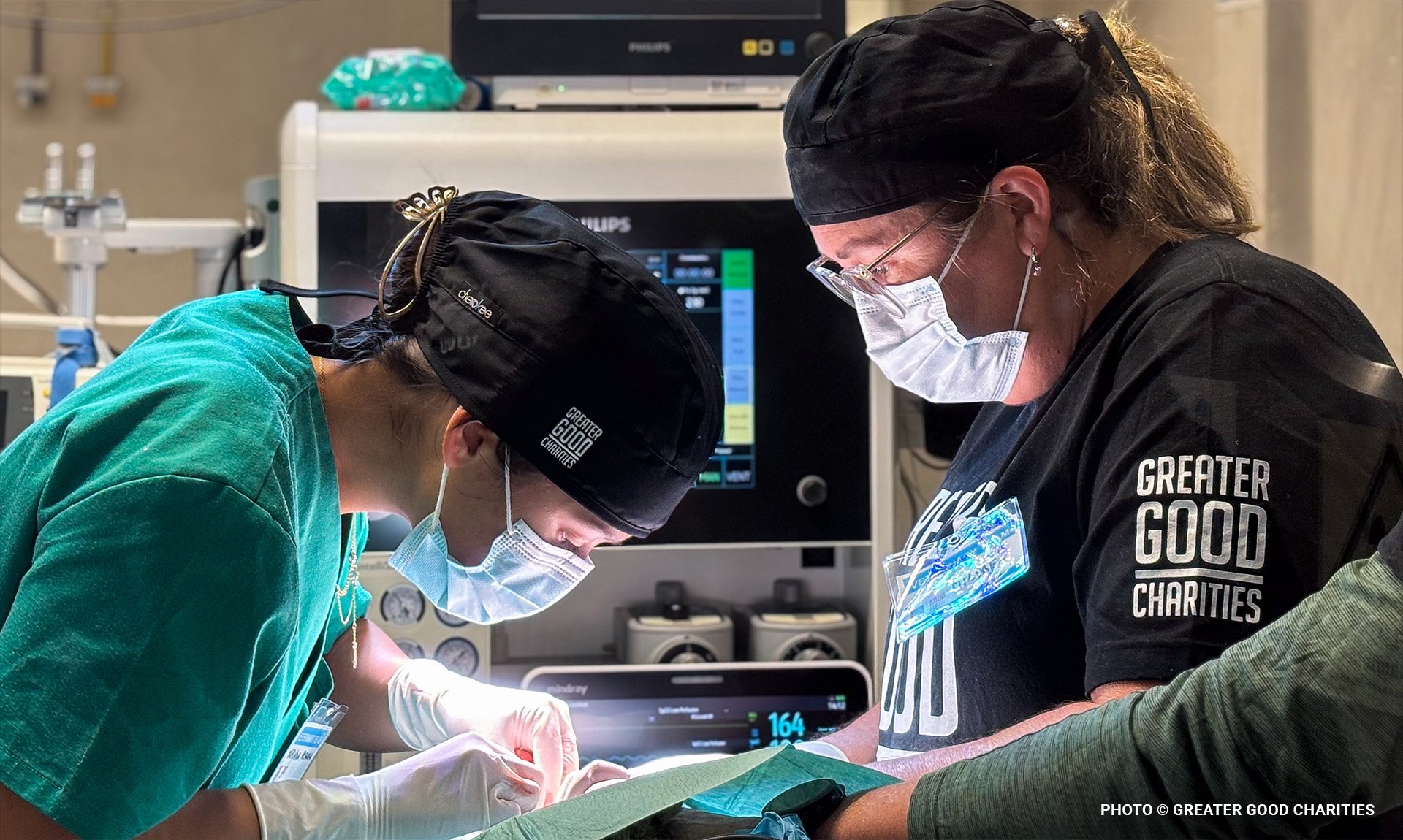
Through these clinics, more than 80,000 animals have been sterilized!
More Than Just Spay/Neuter
You may not know how far our work goes beyond these impactful clinics.
Greater Good Charities also funds emergency medical care for shelter pets. When shelters don’t have the funds to cover emergency care, animals that could be saved are lost. Since 2015, we’ve stepped in to bridge that gap, providing emergency medical funding for animals across the globe. By covering the cost of care, we give shelters the ability to fight for every animal in their keeping, turning what could have been a last day into a second chance.
In times of disaster, our veterinary team is prepared to have boots on the ground, working alongside shelter partners and disaster teams to support evacuation preparations, animal health certifications, and medical assistance, as we did when wildfires swept Los Angeles in January 2025. We make sure aid reaches both people and animals, boosting an interconnected recovery.
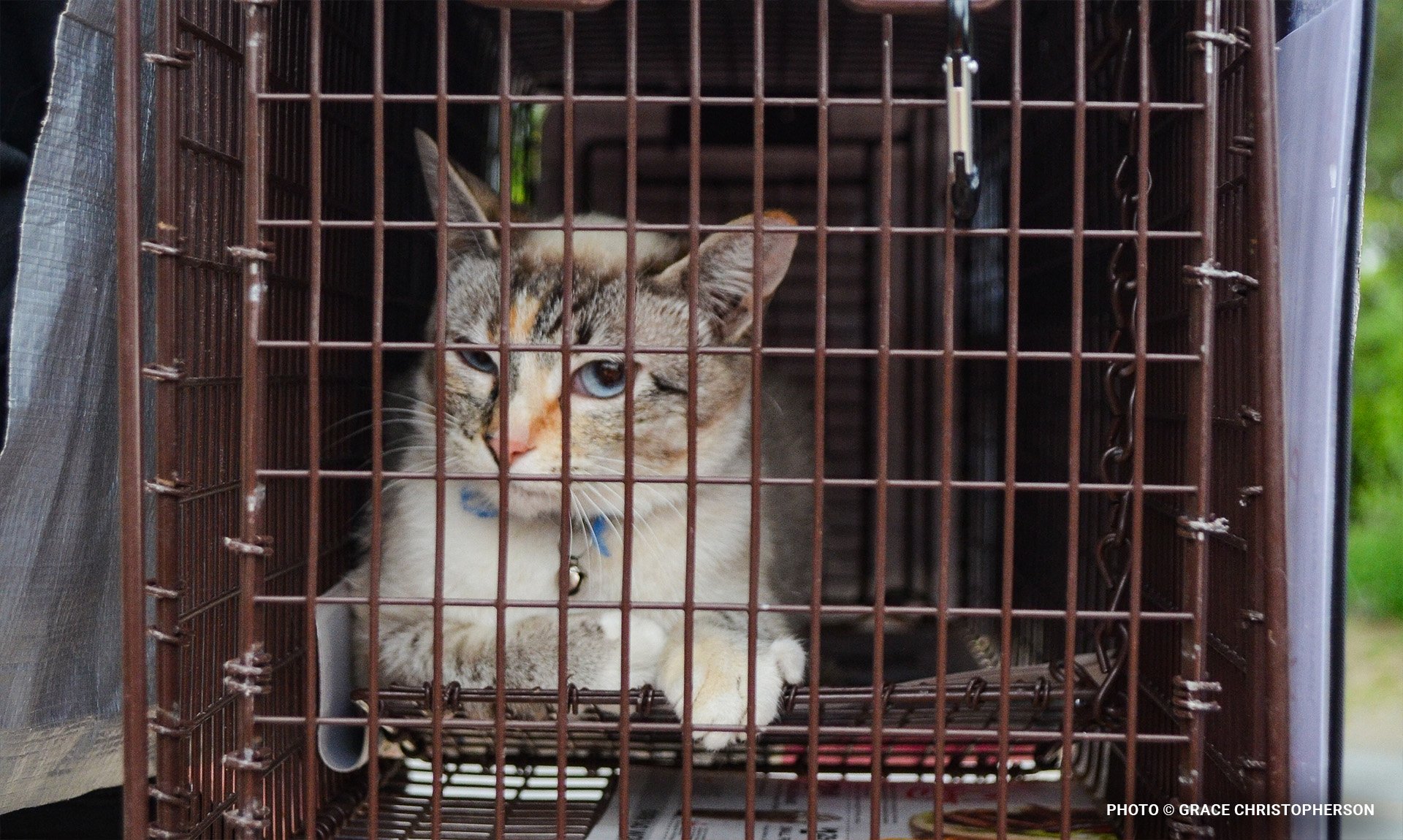
The work doesn’t stop there. Thanks to longstanding partnerships with companies like Boehringer Ingelheim, we’re providing vaccines, parasite-control products and pharmaceuticals to our extensive network of shelter partners, who can then provide them to pet owners in their communities.
This means the heartworm-positive dog in an overwhelmed Louisiana shelter no longer faces euthanasia and can live a long healthy life in a loving home. This means the veteran whose cat provides endless comfort can keep her protected from fleas and ticks. This means healthier pets, more secure pet owners, and stronger communities.
Pet Evacuation is Veterinary Care in Action
Our pet transport program also plays a part in our holistic solutions to animal health crises. Moving at-risk shelter pets from overfull shelters to areas with more resources and ready adopters helps shelters continue serving both animals and communities. When the need arises, it also creates space for animals displaced by disaster.
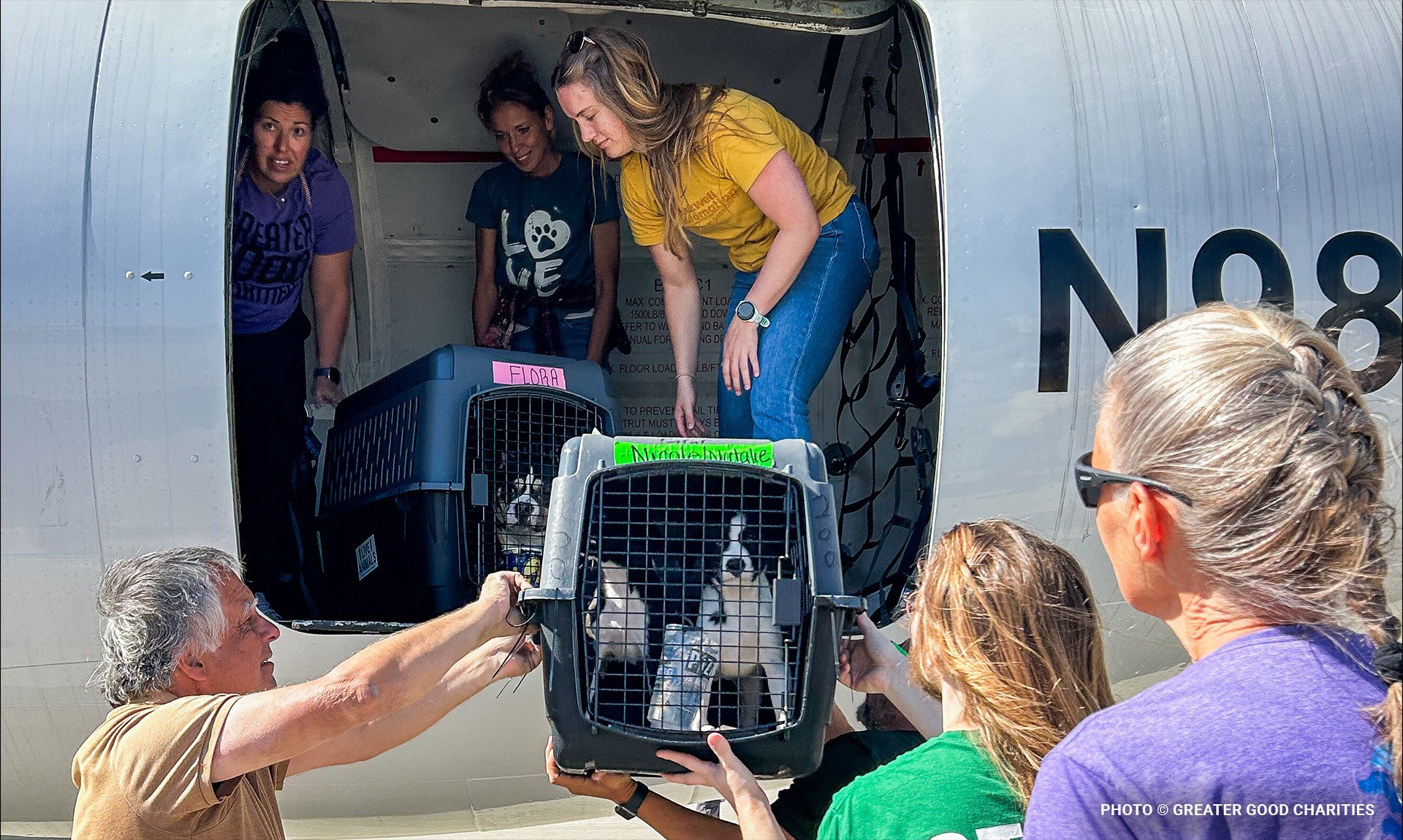
Our transport program prioritizes vulnerable pet populations like heartworm-positive dogs, homeless cats, large dogs and bully breeds, and disaster-affected animals through tried and true coordination between transport teams, veterinary professionals, and shelters.
Together, we’ve transported over 20,000 at-risk shelter pets since 2021, and provided critical supply transport for both human and animal support during crises.
Strengthening Communities Through Veterinary Care
Determining the most effective solutions begins by asking communities what they need, and during an affordability crisis and an era of increasingly frequent disasters, access to vet care is a lifeline in the larger web of support. Through solutions designed to change lives locally, we connect people, animals, and the environment.
Greater Good Charities' approach is comprehensive: we listen carefully, respond flexibly, and solve creatively to fill critical gaps and help communities thrive.
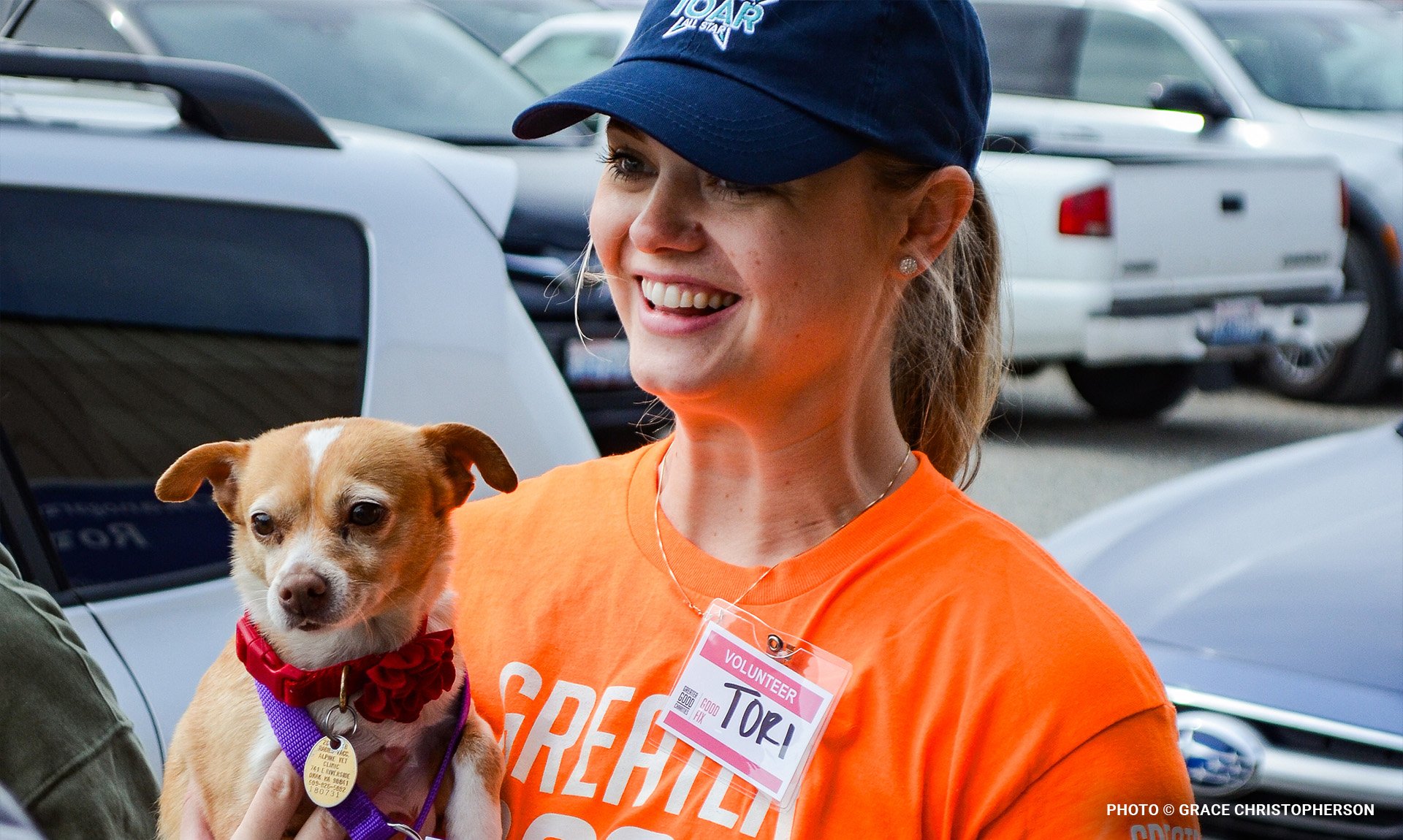
Because every healthy pet supports a family. Every prevented litter reduces pressure on shelters. Every veterinary clinic strengthens local resilience. And every rapid disaster response speeds full recovery.